

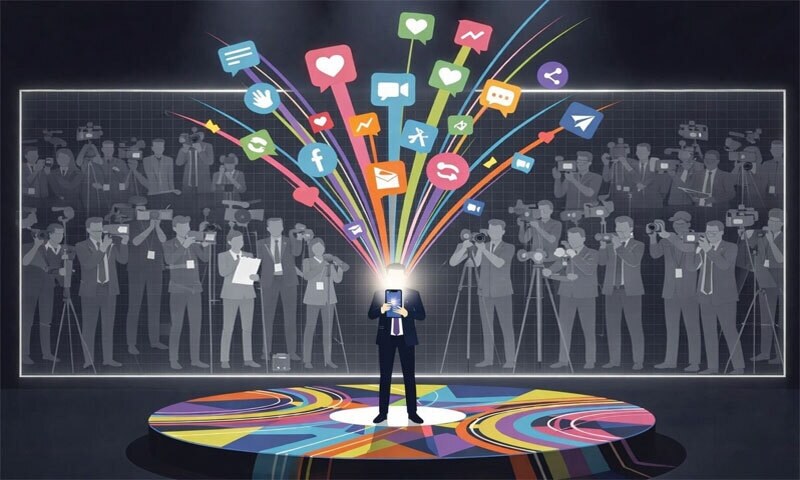
The power of the press has always been a significant force, perceived as a tool that shapes public opinion and that can set changes in motion.
For the longest time, in entertainment industries around the world, members of the media were looked at to deliver authentic reviews, to authoritatively certify ‘hits’ and ‘misses’, and to applaud excellence and critique mediocrity.
Then the balance of power shifted — or seemed to do so — about a decade ago, with the rise of social media.
THE RISE OF SOCIAL MEDIA
Consequently, journalists’ interviews with celebrities were no longer the only way fans could get to know more about their favourite actors. They could connect with stars directly via their social media accounts.
Thus, stars no longer needed a newspaper or any other form of media to announce their upcoming projects. They could do so themselves via their personal social media pages. Journalists — be they print journalists, bloggers or TV reporters — were no longer essential for the promotion of the stars and their upcoming projects.
Or weren’t they?
Relationships between journalists and celebrities have always been bittersweet, yo-yoing between camaraderie when the reviews are great and animosity when they are bad. There have been times when well-known stars have expressed their mistrust of journalists, and some have also stated they no longer want to provide the mainstream media with content just so they can run their businesses.
The relationship between journalists and celebrities has always been bittersweet, yo-yoing between camaraderie and animosity. Some celebrities now shun journalists as opportunistic and unnecessary for their outreach to the masses. But are journalists really disposable to stars, just because they now have millions of followers on their personal social media pages?
Entertainment-based magazines and the YouTube channels of entertainment journalists thrive on celebrity news and interviews. However, many of these also critique celebrities’ work if they do not like it, and the more ‘tabloidy’ ones actively spread gossip and generate negative publicity from time to time.
With social media at their disposal — and certain yes-men and opportunists telling them that their work is wonderful even when it is not — there are stars who have now decided that they no longer want to support those who don’t back them.
A GROWING ANTAGONISM
This antagonism may be directed at journalists overall, but it is particularly focused on the paparazzi, tabloids and gossip mags with unfiltered opinions.
Nearly a month ago, veteran Bollywood actress Jaya Bachchan voiced this prevailing sentiment when she burst out against the paparazzi: “Immense respect for media… my father was a journalist. I have immense respect for such people… magar yeh jo bahar drainpipe-type ganday ganday pant pehen ke… [But these people who go out wearing dirty, dirty, drainpipe-type pants…] they think that just because they have a mobile, they can take your picture and say what they want?… My relationship with the paparazzi is zero. Who are these people?… What is their education?… Are they going to represent us?”
The comments led to an uproar amongst India’s paparazzi, with many leading papers and news outlets deciding to boycott the Bachchan family, including the forthcoming film Ikkis featuring Agastya Nanda — Jaya Bachchan’s grandson.
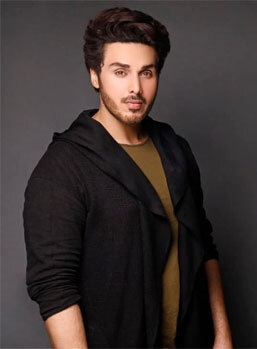
On a milder note, one recalls actor Ahmed Ali Akbar getting married in early 2025 to digital creator Maham Batool and sharing pictures of his wedding-related events on social media, which were accompanied by the disclaimer that if any other social media user reshared the images, he would take legal action against them.
It was strange that Ahmed was so protective of his wedding pictures, given that he was sharing them publicly on his profile. Perhaps the sentiments stemmed from his mistrust of social media platforms.
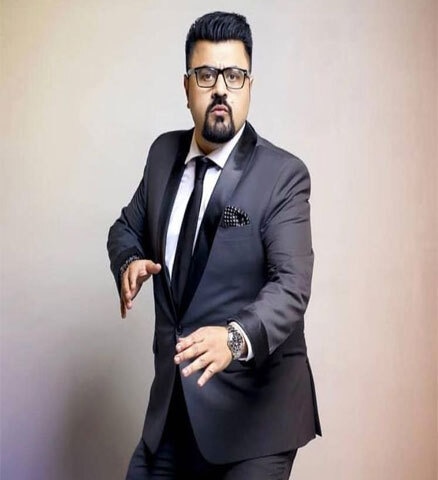
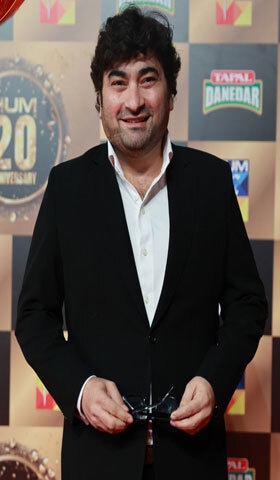
For his part, actor Naumaan Ijaz has frequently made caustic observations on skewed ethics in journalism, most recently declaring in an Instagram story: “Social media is from me, I am not from social media.”
The statement implied that his standing as an actor was based on his own talent, not on clout from social media pages, and that, in fact, social media content ran on the strength of actors like him. He didn’t need social media, while social media pages needed him!
DO STARS STILL NEED THE MEDIA?
The question is, are the paparazzi — and journalists overall — really that disposable to stars? Even online fluff pieces help create hype for stars and for their forthcoming movies, featuring their pictures on the red carpet and at launch events. Can they be dismissed so easily, just because the stars have millions of followers on their personal Instagram pages?
Director and producer Wajahat Rauf weighs in: “If social media pages, bloggers and journalists were really that useless, then why would a Fawad Khan, who normally isn’t active on Instagram, suddenly begin posting away before the release of his movie Neelofar this year?
“Why would he give interviews to multiple entertainment portals when he is generally reserved? Similarly, across the border, why would a Ranbir Kapoor, who is not on social media or even Shah Rukh Khan, assert the importance of promotional interviews when a movie’s release is near?”
Rauf adds: “Celebrities’ collaborations with social media pages are need-based, planned for when they want to create hype about an upcoming movie or a music album. In the case of TV, the cast and crew of dramas tend to be more relaxed because the content they work on can be viewed by audiences for free. But when celebrities need people to buy tickets for a movie, they need buzz and word-of-mouth that can be generated through social media.”
Director Danish Nawaz, observing how certain stars are very hesitant with the press and reluctant to share news, quips, “We work in the entertainment industry, and the information we have is related to entertainment. It is not like we have national secrets that can’t be revealed to the media. Personally, if I am not breaching a contract by talking openly about a project that I am working on, I have no problem giving interviews.
“Celebrities may have millions of followers on their personal pages, but they need respected journalists and social media platforms to start conversations about their work and achievements,” adds Nawaz. “There is no merit in them complimenting their own work on their own pages!”
A MATTER OF TRUST
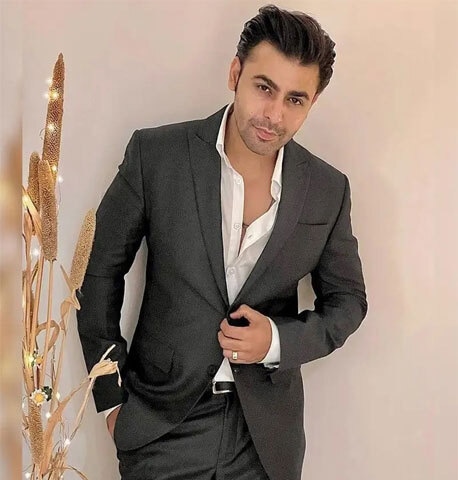
Actor and singer Farhan Saeed points out the importance of knowing who to trust when he wants to give an interview.
“I’m not very fond of reviews on social media because there are times when I have felt that there is favouritism at play,” he says. “A big star will be criticised gently, a newcomer will be bashed relentlessly. And there will be those who will take bribes for reviews. But this is not true of all journalists. If I want to promote my album, I will align with portals I feel will help build awareness and will be honest.”
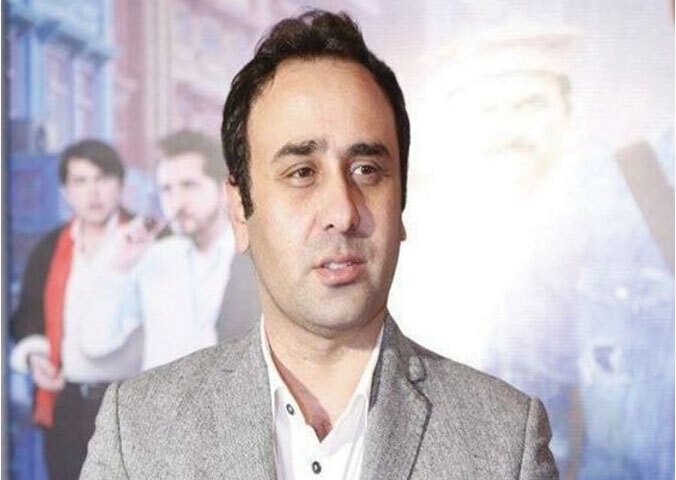
Similarly, actor Ahsan Khan says that he and many of his peers pick and choose who they can trust with interviews.
“I feel that there is no harm in sitting with a journalist for an interview, talking about your craft,” says Ahsan. “I think that everywhere in the world, there is a general curiosity about stars amongst the public, and they want to know more about their work, personal lives, and thought processes. This is understandable, and I am just mindful that whoever I am meeting for an interview wants to ask sensible questions rather than just dig for gossip.”
He continues: “Different celebrities have different perspectives about interviews. Some select where and when they will be comfortable talking about themselves. Some actors enjoy the attention and will go for interviews everywhere, while others will not.
“Then, you’ll see artists who are doing less work giving more interviews. Some are not affected by negative publicity and will give interviews to portals that are likely to dabble with controversy. Social media is like a bazaar. You see 200 different brands, of different qualities, and you pick and choose the people that you want to interact with.”
THE NEED FOR PROMOTION
Even the most reticent of stars have been known to change their minds when a project of theirs needs to be promoted, and it is undeniable that stars and journalists can be mutually beneficial.
Lately, though, a faction of celebrities is irked by the fact that journalists end up earning substantially from their interactions with stars. Journalists, on the strength of their star-studded networking, may be able to build their clout on Instagram, prompting brands to pay them for collaborations. Celebrity interviews may generate revenue for them on YouTube.
Most stars who make appearances on TV talk shows get paid handsomely. It makes them reluctant to meet journalists and give them time, for free, for an article, an Instagram post or a YouTube interview.
Voicing these sentiments, actress and scriptwriter Javeria Saud announced in late 2024 that she would not participate in free interviews or podcasts. “I prefer to spend that [free] time enjoying myself with my family or writing scripts rather than giving interviews for free,” she wrote in an Instagram post.
“As creators monetise their content, I’ll be focusing on paid opportunities that align with my values. I talk to my fans on my YouTube channel and answer their questions there,” she added.
One wonders, though, whether Saud would be similarly disinclined to give interviews should she have a movie coming up that she wants people to know about and convince to buy tickets? Would she simply utilise her own YouTube channel to engage her fans, or would she go against her word and align with authentic, popular voices on social media?
Actor, host and podcaster Ahmad Ali Butt observes, “Journalists are absolutely essential for generating hype about a celebrity or a project. If a celebrity’s own clout was enough to ensure a project’s success, Jannat Mirza, with her massive social media following, would have ensured that her movie was a hit.”
He adds: “Even TV dramas need that push, though the audience is more inclined to see them because they can do so for free. Still, with so many channels competing with each other, reviews from popular online portals definitely help draw audiences to a drama.
“And mark my words, the actors who say that they don’t need to collaborate with journalists will change their stance the day they need people to line up to buy tickets for their movie.”
BEYOND PUBLIC RELATIONS
In a fiercely competitive world rife with egos and personal vendettas, there are celebrities too caught up in their fame to realise the need to be reviewed and interviewed by an unbiased platform.
Sure, some journalists break the code of ethics and indulge in favouritism and bribery in order to assert their power and earn a quick buck. But then there are also the few good men — and women — committed to their craft and willing to celebrate it along with those who understand and appreciate it.
Beyond the simple promotion of projects, old-school journalists also have their issues with the new trend among celebrities to carefully curate their public personas, in particular a growing fashion to determine what a journalist may or may not ask of them.
“It is understandable if a celebrity does not wish to talk about something that is completely in the realm of their private life,” says one journalist who has covered the entertainment industry for decades. “But trying to shut down or censor questions about topics that are already viral on the media or in the public domain and which people want to know about, or awkward questions about your work that may not present everything with rose-tinted glasses, that goes beyond what is acceptable. That is the whole point of credible journalism.
“If a journalist steered away from asking a politician or bureaucrat difficult questions and only helped him or her to promote their point of view, nobody would take that as good journalism,” he adds. “Journalists and the media should of course always be fair, but that does not mean they should only be doing fluff pieces. Their own long-term credibility is at stake.”
In the end, discernment from both celebrities and journalists is necessary — about who is credible and fair and who is simply trying to curate a public image — for the dynamic to work.
A LESSON FROM BOLLYWOOD
In famous film lore, Bollywood superstar Amitabh Bachchan was boycotted by several print publications back in the late ’70s because it was believed he had played a role in the Indian government’s censorship of the media.
His name wouldn’t be mentioned when listing the stars in a movie, and his picture would get cropped out from coverage of film-related events. In retaliation, he also decided to ban the press, refusing to give interviews during his heyday as an actor.
The rift was finally sorted when he suffered a near-fatal accident in 1982, during the filming of the movie Coolie. He later remembered the time of his media ban as “disheartening”. Later, he declared the media to be a force “one can never win from” and social media to be a “new power.”
Stars may be colossally successful, but they can’t go about blowing their own trumpet. They need someone to clap for them, cheer for them — and to tell them when they are at fault. That’s where unbiased, constructive journalism comes in.
The chasm between celebrities and the journalist fraternity may have become more pronounced but, even if stars deny it, whether they like it or not, the power of the press remains. And people eventually cotton on to credibility as well.
Published in Dawn, ICON, January 4th, 2026
Dawn – Homenone@none.com (Maliha Rehman)Read More