


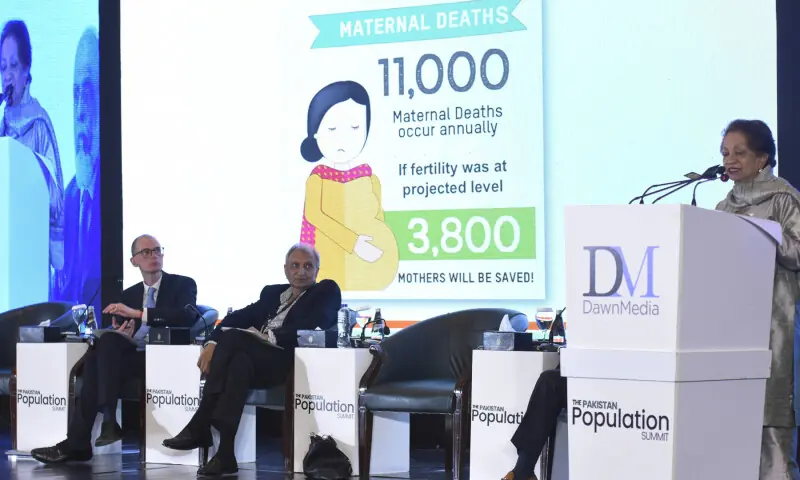
Day 1 of the ‘Pakistan Population Summit’ concluded on Monday with leaders and experts calling on the government to take urgent action to tackle the issue of the rapidly growing populace, which adversely impacts the country’s economy and other sectors.
Organised by DawnMedia, the two-day summit brings together politicians, economists, development specialists, private sector leaders, and experts to develop a shared vision as the rising population continues to place pressure on health systems, food and water security, and employment.
The second and final day of the summit, taking place in Islamabad, is set to begin at 9:30am tomorrow. Federal and provincial leaders, alongside urban and policy experts, will share their perspectives as they contribute to the national conversation.
View the full agenda here.
Pakistan, with a population of over 241 million, is the fifth most populous country in the world, adding four to five million people every year. Its population growth rate of 2.40 per cent is the highest in South Asia.
The rapid increase is outpacing employment opportunities, with official statistics showing the country will require 104m jobs by 2040. Pakistan will not be able to achieve Sustainable Development Goals (SDGs) by 2030 if the current trajectory of population growth does not slow down.
5:45pm — Day 1 concludes
Day 1 of the Pakistan Population Summit has concluded. Thank you for tuning in to today’s meaningful discussions aimed at creating awareness about the national-level issue of a rapidly growing population.
5:33pm — Cannot differentiate between population welfare, management and healthcare: Punjab official
Nadia Saquib, secretary of Punjab’s Health & Population Department, said the current provincial government realised that “you cannot differentiate between population welfare, population control and healthcare”.
She underscored the importance of increasing the coverage of primary healthcare services. Saquib noted there were various problems, such as absenteeism, healthcare professionals’ non-availability, and disgruntled workers.
The Punjab secretary detailed that the government outsourced district hospitals and small clinics to doctors, and not entities or corporate players.
“Family planning, short-acting as well as long-acting, was integrated and made a part of the essential healthcare services that were measured and paid against,” Saquib said, adding that more than 2,000 basic health units had been operationalised.
5:24pm — Former AJK population secretary details his region’s efforts
Raja Muhammad Razzaque, the former secretary of Azad Jammu and Kashmir’s Population and Welfare Department, observed that while there were some success stories in his region, there were also certain challenges.
One of the “success stories”, according to him, was that the AJK government had recently merged the population and the health departments. Razzaque added that this move would improve the service delivery.
Pointing out that there was a women’s university and four medical colleges, the ex-secretary emphasised, “These are the things that are adding support to the cause of family planning and reproductive health. We can only succeed in achieving the targets with better education.”

5:16pm — Ex-GB lawmaker notes ‘contradiction’ of population’s importance in NFC award
Former Gilgit-Baltistan lawmaker Javaid Ali Manwa noted that the population segment contributed 82.5pc to the National Finance Commission (NFC) award, while inverse population density made up 2.5pc.
He said these imbalances needed to be addressed in order for a national framework on tackling the population crisis.
Manwa pointed out the “contradiction” that, on the one hand, there was a need to manage population growth, but on the other hand, that same factor was the main contributor to how many resources a region gets.
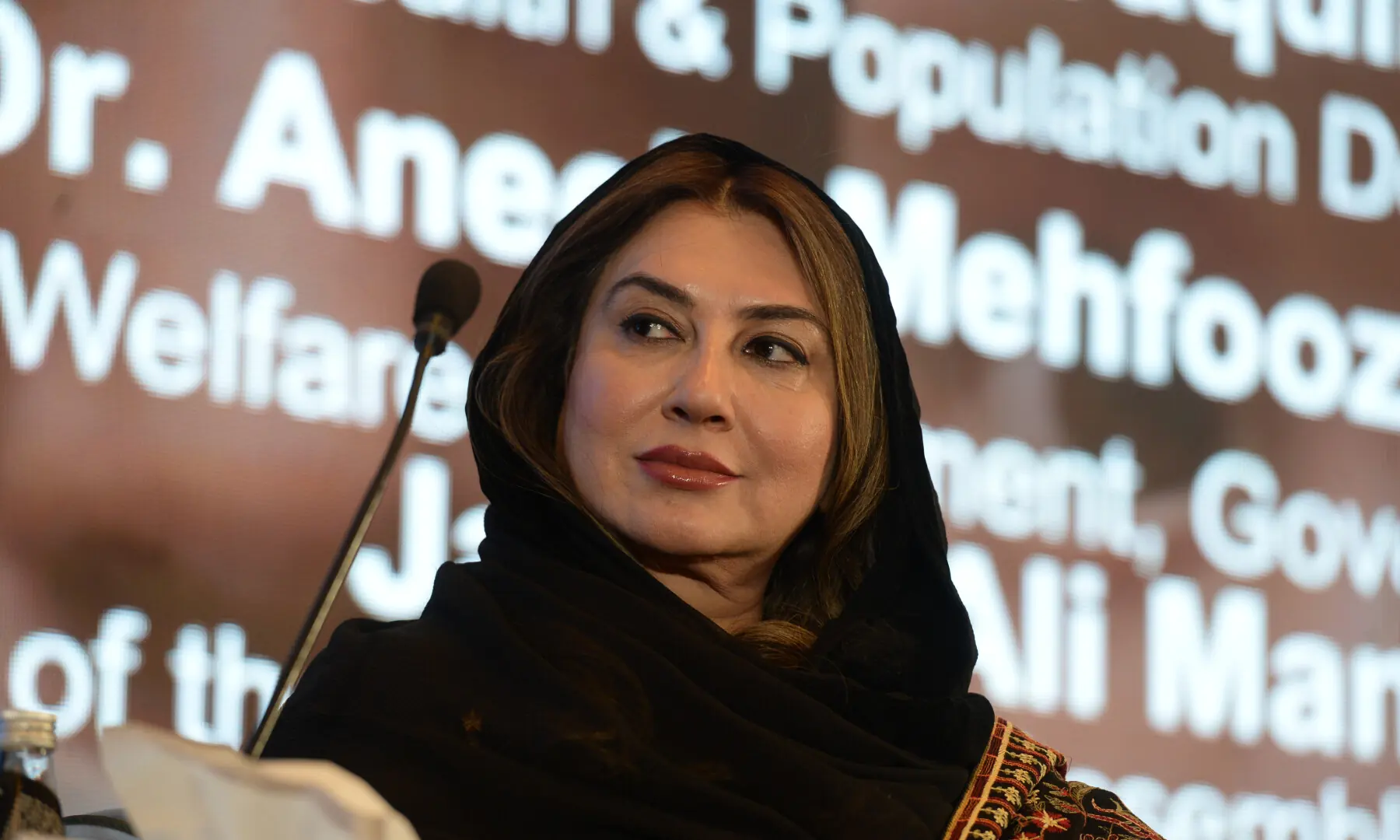
5:10pm — KP official details efforts made despite terrorism situation, ‘traditional society’
Dr Aneela Mehfooz Durrani, secretary of the KP Population Welfare Department, noted the province’s “traditional society” and acknowledged there were situations where family planning was considered taboo.
Durrani asserted that despite the terrorism situation, the KP government had tried to expand the service delivery.
“We have established 260 welfare centres in the settled districts and about 120 additional centres are being established in the merged districts.”
The KP official further pointed out that women in the province were not empowered enough to make decisions about family planning.
5:05pm — Birth spacing is the most important thing: Punjab health minister
Punjab Health and Population Minister Khawaja Imran Nazir stressed the need for “family planning”, adding that he was not in favour of “stopping the population”.
“Birth spacing is the most important thing,” Nazir said, emphasising that women’s health needed to be kept in mind.
4:58pm — ‘Sindh govt aims to rejuvenate Lady Health Workers programme’
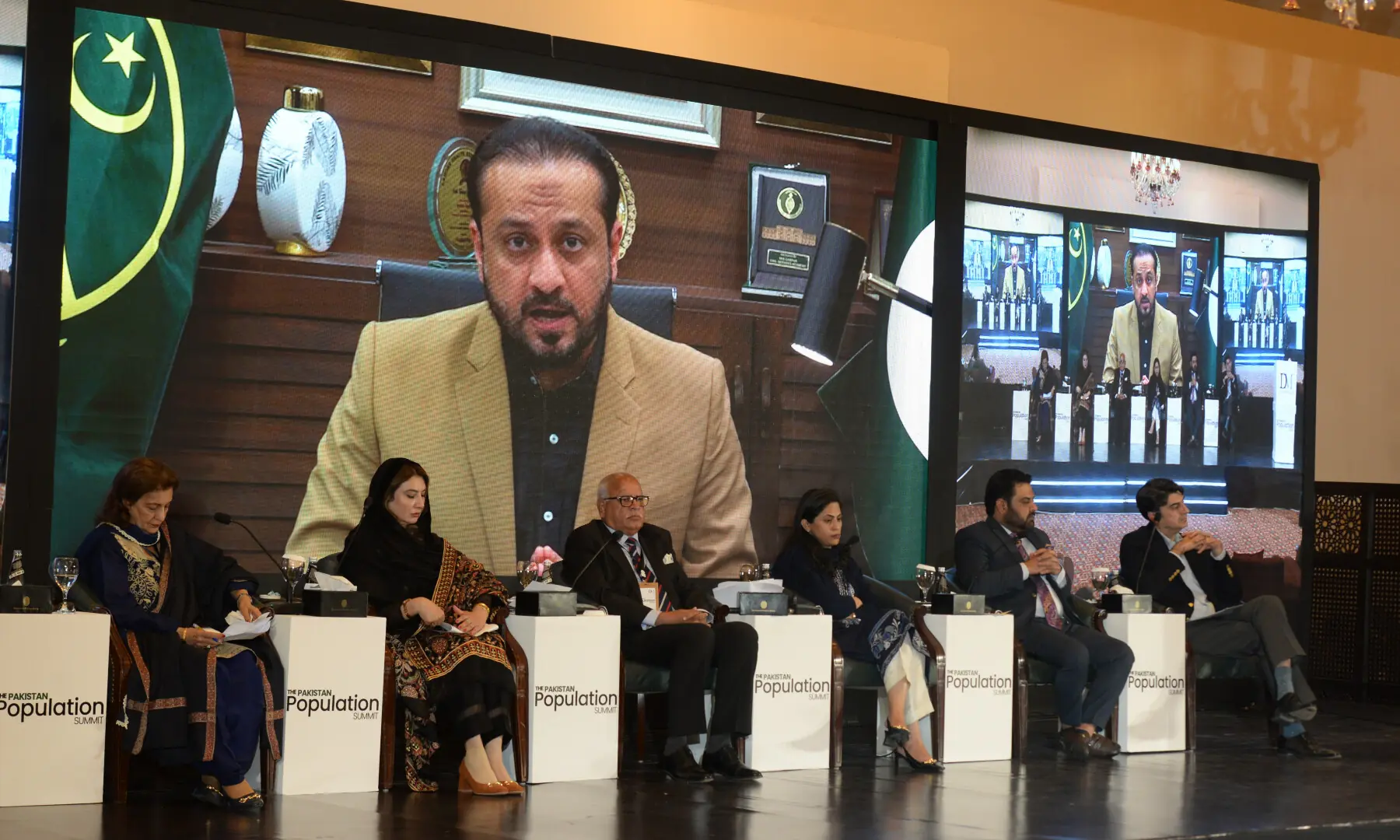
Dr Azra Fazal Pechuho stated that Sindh has ample stocks of contraceptives for at least a year. However, she noted that sourcing stocks from India, specifically long-acting contraceptives, has been difficult due to worsening relations between Islamabad and New Delhi.
“All commodities should be manufactured [locally] so we save on dollars and costs and ensure no stockouts,” she stated.
The minister added that community health workers would be hired on a contractual basis to rejuvenate the Lady Health Workers programme and direct it towards family planning.
“Obviously, they have a lot on their plate … so it becomes very cumbersome on them and we need to increase this workforce,” she said. “Unfortunately, because they were regular employees, our financials didn’t allow us to increase the workforce.”
4:50pm — Dr Azra Pechuho says Centre must ‘do a lot’ on funding population welfare
Sindh Minister for Health and Population Welfare Dr Azra Fazal Pechuho, in her address via video link, noted that family planning has been adversely affected after devolution.
“My contention is that because implementation is with provinces … it was sensible to devolve family planning and the population welfare department down to the provinces,” she said.
“The federal government has to do a lot … [the court] directed that Rs10bn be given to the provinces just for family planning and population welfare services. Unfortunately, that money did not come through.”
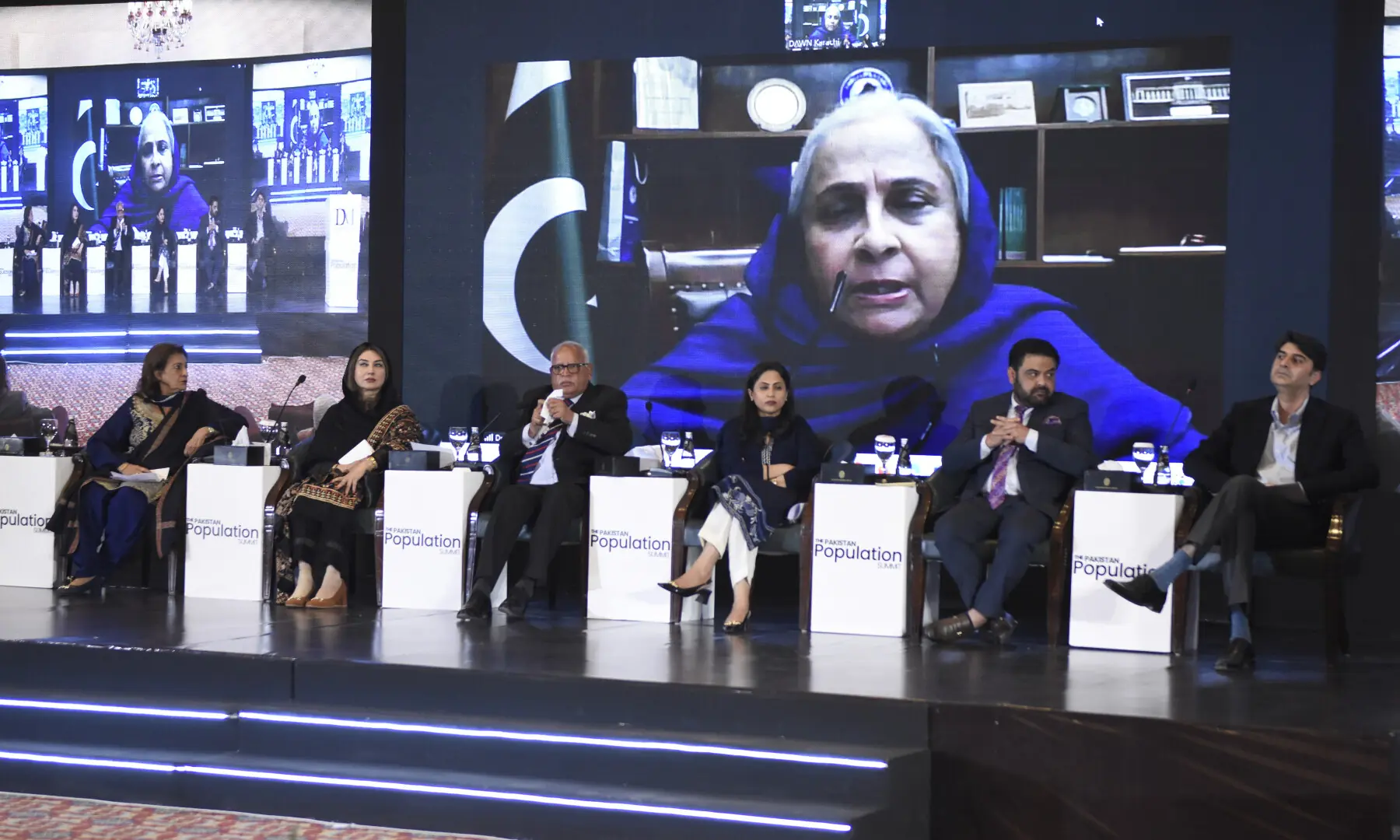
4:42pm — Population still very low in govt’s list of priorities: Dr Malik Mukhtar
Recalling his experience as Punjab’s population minister under then-chief minister Shehbaz Sharif, Dr Malik Mukhtar Ahmed said, “I think things haven’t changed […] as they had to be. […] I still think that population is very low in the priority list of the government.”
He said the segregation of the lady health workers programme and the population ministry was the “worst thing” that happened to the family planning programme.
Dr Ahmed praised the current Punjab government for merging the population and the primary health departments.
“We are only addressing 60 per cent of the population of Punjab. Forty per cent of the urban population is still being neglected because of the absence of the Lady Health Workers programme in the towns and cities.”
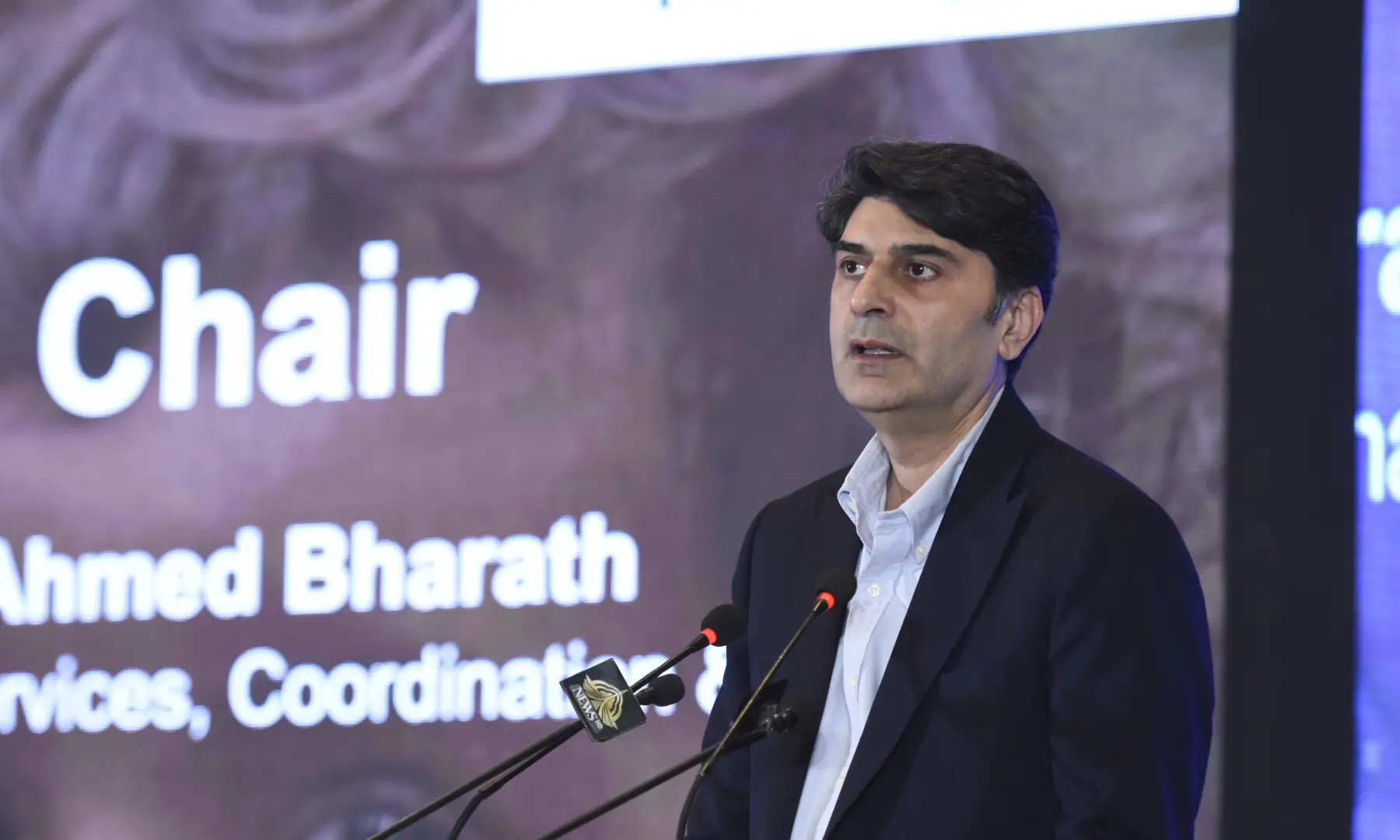
4:40pm — Dr Malik Mukhtar Ahmed Bharath opens day’s final session
Dr Malik Mukhtar Ahmed, the minister of state for National Health Services, Coordination & Regulation, has opened the day’s final session, titled “A Heightened Responsibility to Restore the Balance Between the Centre and the Provinces”.
4:32pm — Maleeha Lodhi voices concern about stagnant literacy levels
Dr Lodhi stated that the deficit in human development rarely comes up in parliamentary debate, and the broader picture remains grim.
She brought up the UN Development Programme’s latest Human Development Report from this year, which ranked Pakistan 168 out of 198 countries.
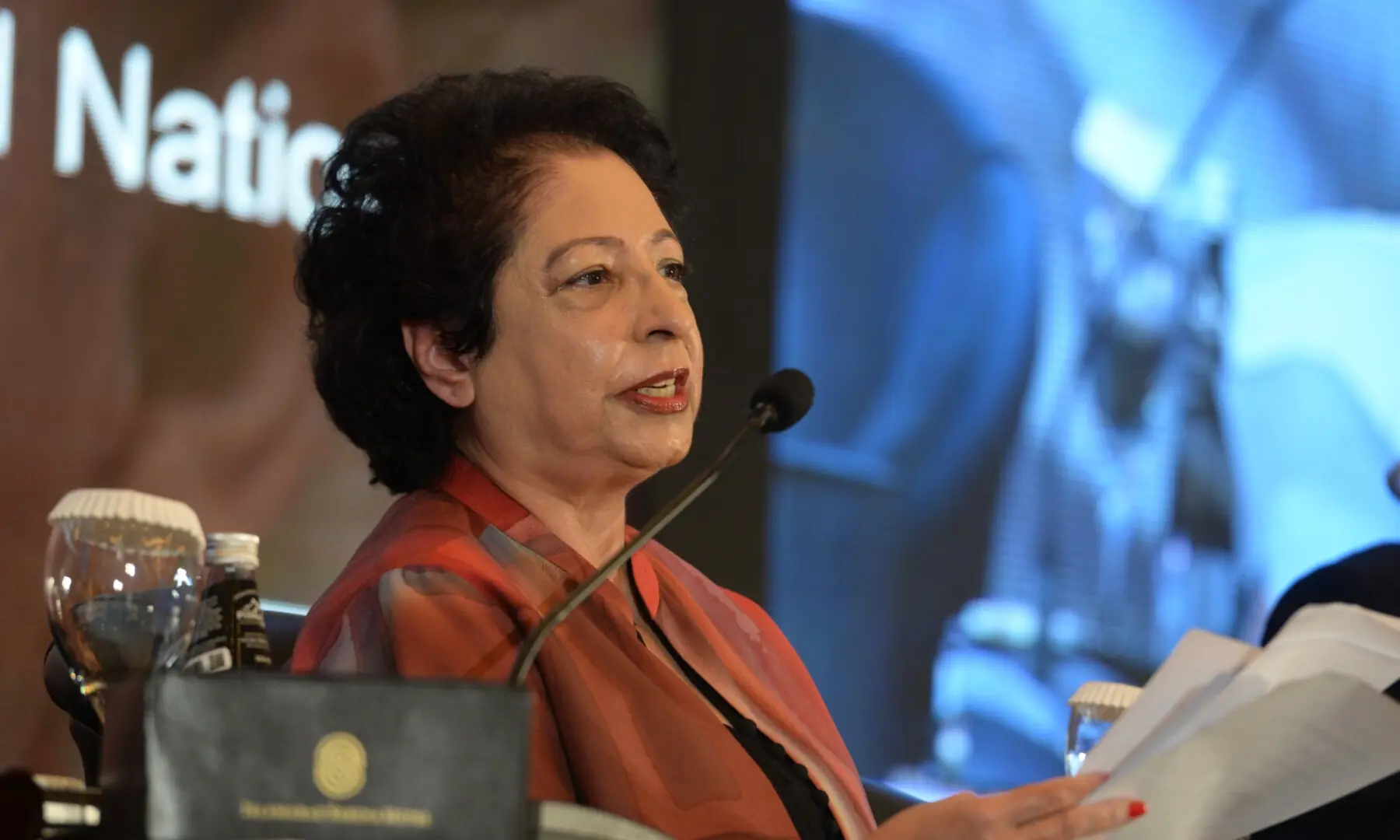
Discussing specific areas, Dr Lodhi said, “Literacy levels, as you know, are stagnant. Official documents put literacy at 60 per cent … this means 40pc of our people are still illiterate.
“No country has achieved economic progress with this level of illiteracy,” she emphasised.
She further warned that if the youth remain uneducated and unemployed, they face a “hopeless future” which could jeopardise the country’s prospects and trajectory.
4:21pm — Population management not a priority for govt: Maleeha Lodhi
Dr Maleeha Lodhi, Pakistan’s former permanent representative to the United Nations, highlighted that population management is not a priority for the government.
“I understand the prime minister was supposed to come in the morning to deliver his address and he didn’t show up,” she said. “That is how important population is to the prime minister, the government and successive governments,” she quipped.
Dr Lodhi warned that uncontrolled population growth would feed into Pakistan’s human development crisis, which “has far-reaching consequences for our economic development and the welfare of our people”.
“The crisis in human development is reflected by the fact that almost all indicators — literacy, education, health, poverty, gender disparity … have been deteriorating in recent years,” she added.
“The country’s growth and development prospects are being severely constrained by the lack of investment in human capital,” the former diplomat noted. “Policy action to address this doesn’t really figure in government priorities.”
4:18pm —‘GDP growth rate, household savings to rise if population growth rate declines by 2030’
Raza Rabbani said the GDP growth rate could be 1.7 percentage points higher if the population growth rate declines by 2030.
He further said the per capita income per annum could double by 2050 if the population growth rate declines by 2030, and the per capita income will rise at 3.4pc per year instead of 2.2pc.
Household savings will go up to 13.4pc with a lower population growth rate. Investment rates will be 6.5 percentage points if the population growth rate declines by 2030.
4:15pm — Raza Rabbani calls for focus on ‘real issues’ rather than political ones
Veteran politician Raza Rabbani said, “As a state, we must focus on development and let settled issues remain — ie there should be no more constitutional amendments, no further provinces, no change in the parliamentary system of governance and the adherence to provincial autonomies”.
He lamented that most of the time was spent “getting caught up on these rather than looking at the real issues”.
Rabbani also said that the “bulk of the budget” being spent on defence and debt servicing was a matter that the country will “need to work around”.
He noted the lack of inclusion of young people in policymaking, with restrictive rules in youth parliaments and bureaucratic barriers leaving “many feeling excluded”.
“The failure of the state to provide a Pakistan-oriented educational system drives the youth towards religious and nationalistic extremism,” the politician said.
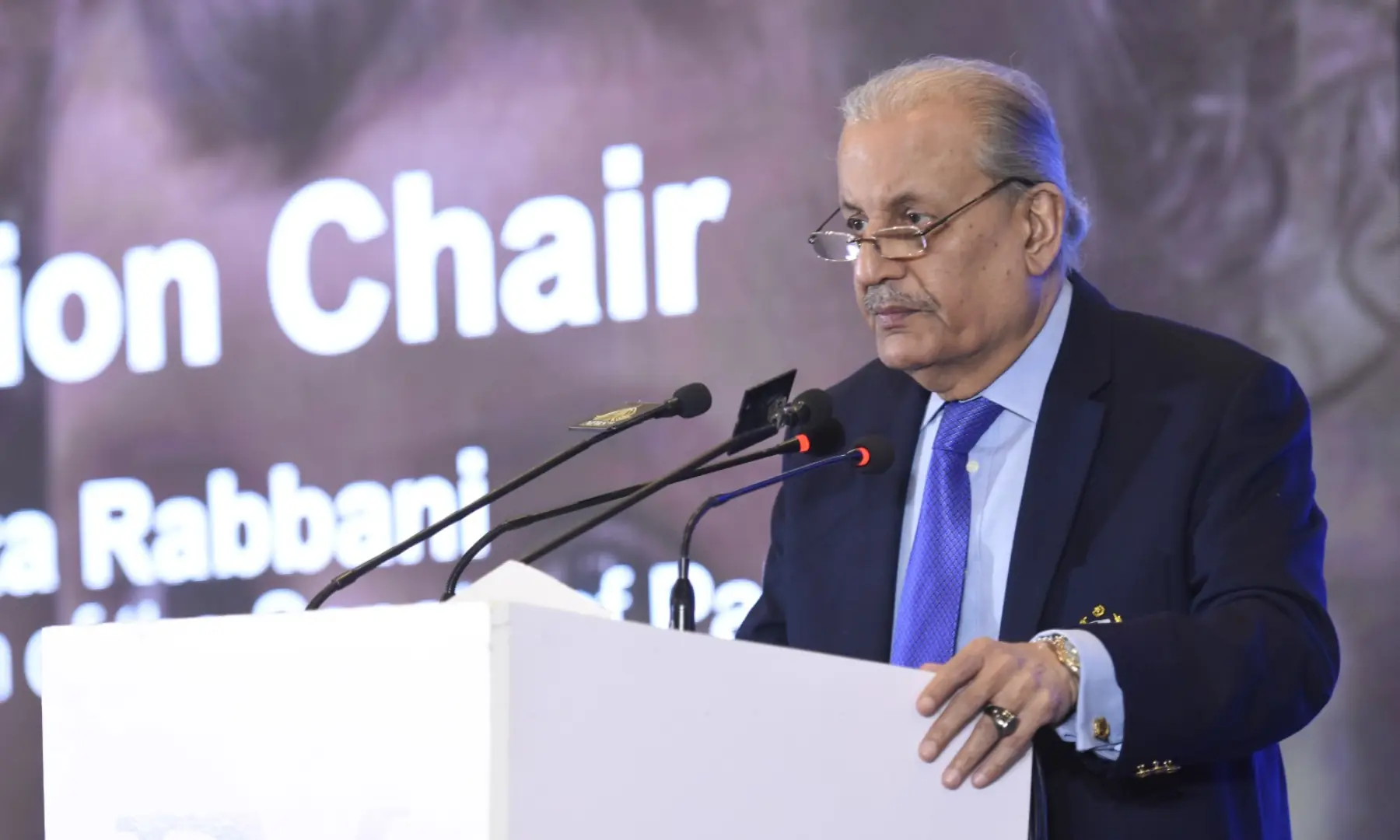
4:10pm — Raza Rabbani lists grim statistics
Raza Rabbani cautioned that if the huge youth population was not managed, it may “turn into our greatest vulnerability”.
He stated that the youth ratio had risen from 19pc in the 1951 census to 26pc in 2023. While youth literacy was around 72-75pc, certified vocational skills remained limited, he added.
He termed the rising unemployment, skill gaps, and lack of opportunities for women, among other factors, as “key sources of distress”.
4:05pm — Situation warrants ‘urgent corrective action at all levels of state and society’: Raza Rabbani
Former PPP senator Raza Rabbani is speaking at the sixth and the second-last session of the day, titled “The Human Development Crisis”.
“The situation warrants urgent corrective action at all levels of state and society,” he asserted.
“Pakistan must lose no further time in joining the countries of the region and the Muslim world in achieving a rate of population growth that is sustainable,” the senior politician said.
He recalled that a national task force constituted by the Supreme Court had identified 33 specific recommendations, which had been approved by the Council of Common Interests.
3:51pm — Professor Mehtab S. Karim highlights Bangladesh’s ‘miracle’
Professor Mehtab S. Karim said Bangladesh achieved the “miracle” of increasing its real per capita income by restricting population growth.
He also noted that Bangladesh’s mortality rate had declined from 10-11pc to 2pc, while the life expectancy had also increased by 15 years compared to three years in Pakistan during the last 37 years.
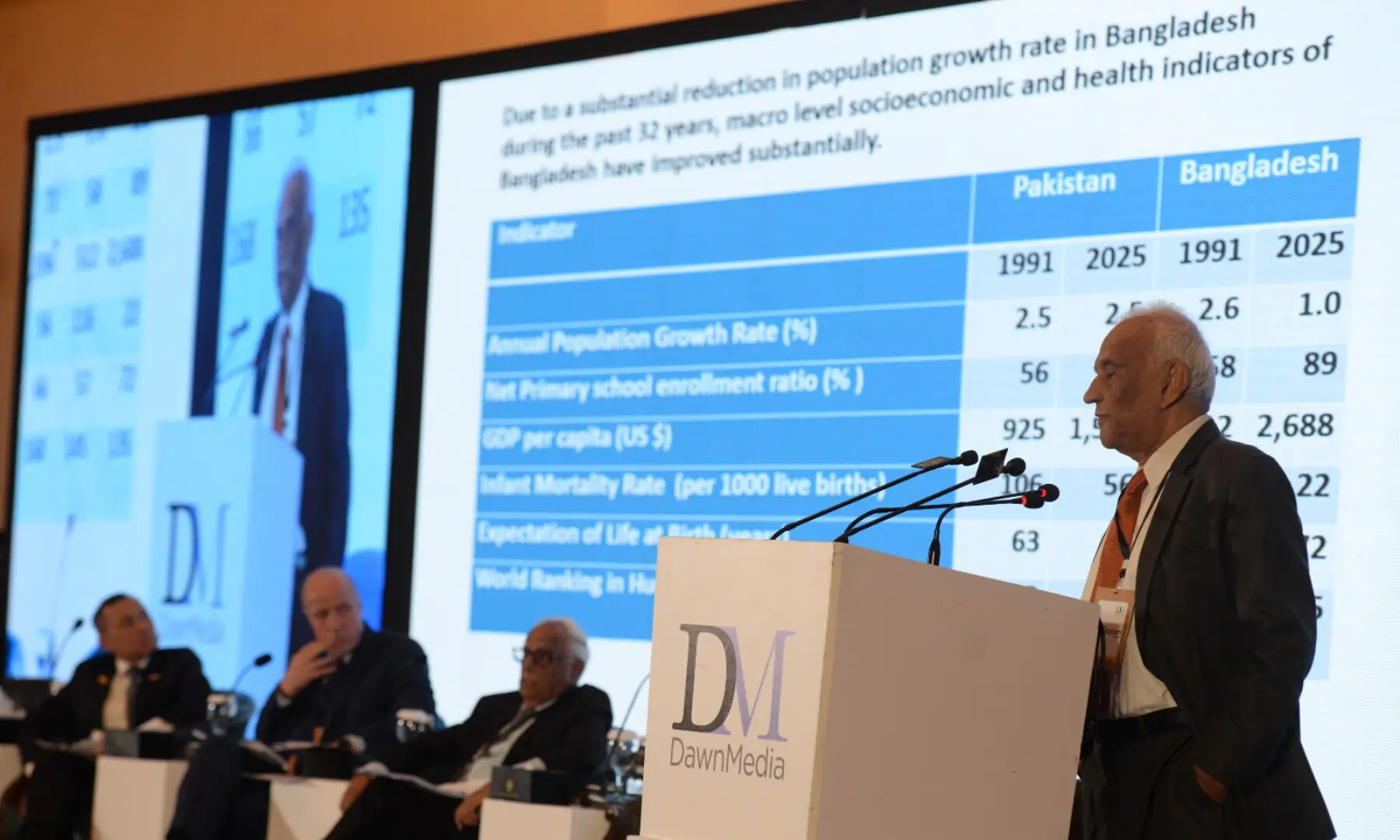
3:40pm — Population Association of Pakistan president says govts ‘not serious enough’
Population Association of Pakistan President Professor Mehtab S. Karim said that none of the “successive governments after Gen Ayub Khan’s removal” were serious enough about population programming in Pakistan, except for ex-PM Benazir Bhutto.
Prof Karim also brought up Bangladesh as a case study, pointing out the rising contraceptive prevalence rate (CPR) there, leading to the average number of children per woman of two, compared to Pakistan “still struggling” with over three children per woman.
3:27pm — Indonesian envoy details his country’s efforts
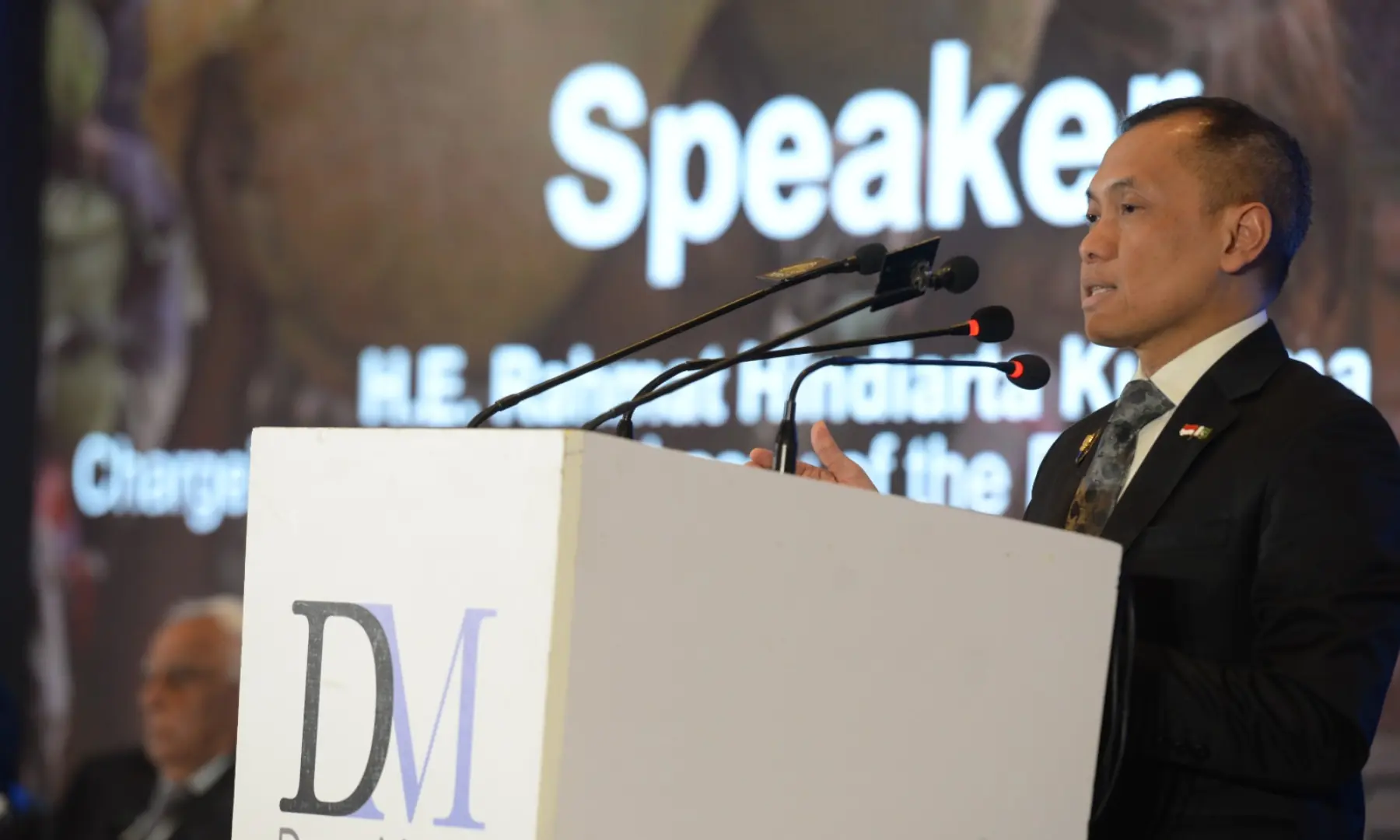
Rahmat Hindiarta Kusuma, social affairs coordinator at the Indonesian embassy, noted that Indonesia had ranked among the top six most populous countries since the 1960s.
“However, the international community has considered Indonesia as one of the countries having a strong and successful family planning initiatives in the world,” Kusuma highlighted.
He cited figures of declining fertility rate in Indonesia and rising CPR in the 1990s.
“The crisis gave us very incredible experience,” he said, adding that people learned that having family planning was beneficial for them.
Kusuma recalled that Indonesia organised dialogues and events to promote the importance of family planning, with enforcement encouraged among men as well, not just women.
3:23pm — ‘Should include chapter on small families in academic curriculum’
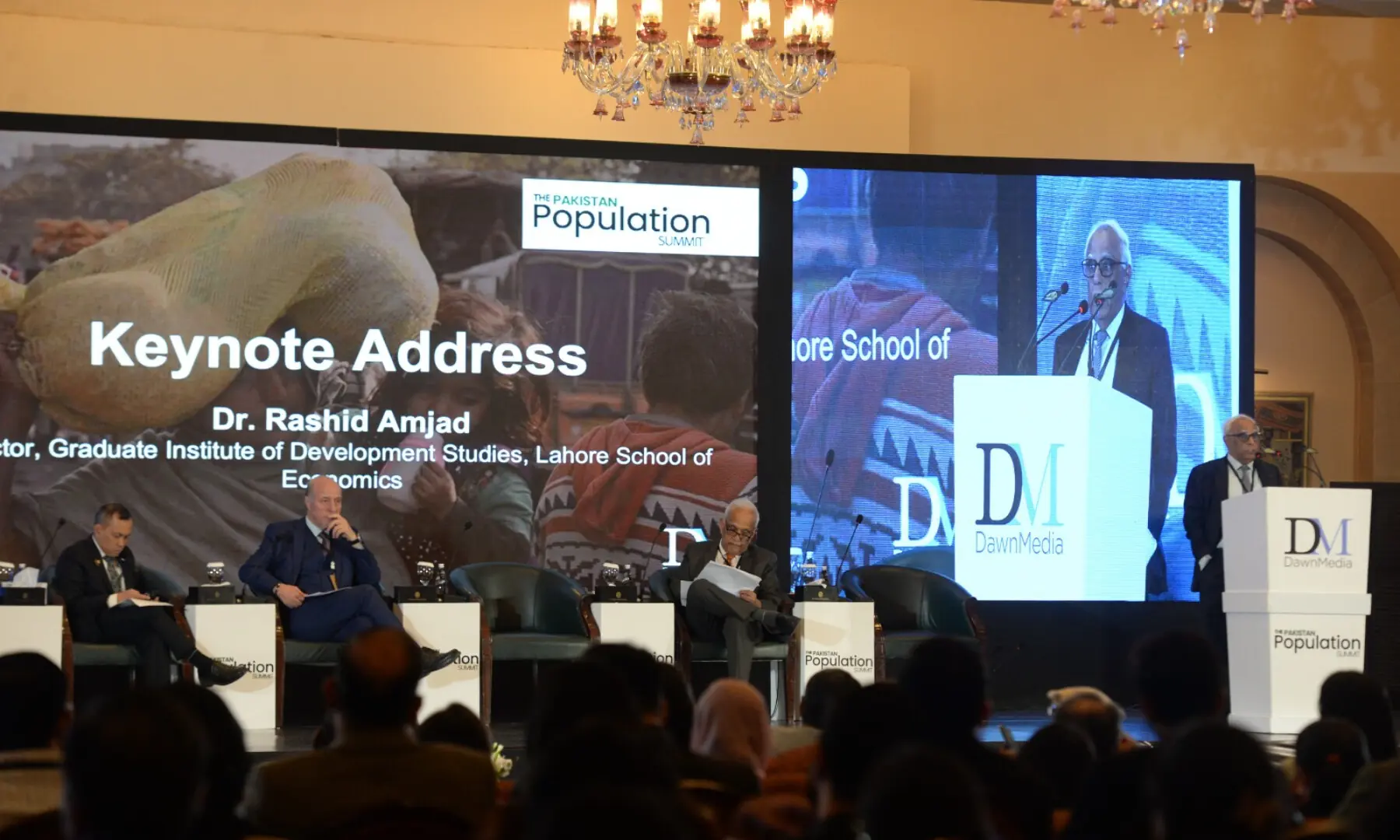
Dr Rashid Amjad said there was much to learn from Bangladesh, which had got “some tailwinds” of the youth dividend.
He also mentioned the “flexibility” that Iran and Egypt were trying to build into their population growth strategy. “Egypt is very similar to us […] [President] Sisi is very clear — two-child family,” he said.
Dr Amjad underscored the need to educate the youth about the benefits of “happy, healthy, smaller families”, calling for the topic to be incorporated into primary and higher education curricula.
He also suggested the formation of a high-level “Special Demographic Dividend Facilitation Council”.
3:18pm — Pakistan facing ‘demographic disaster’ with rising fertility rate: Dr Amjad
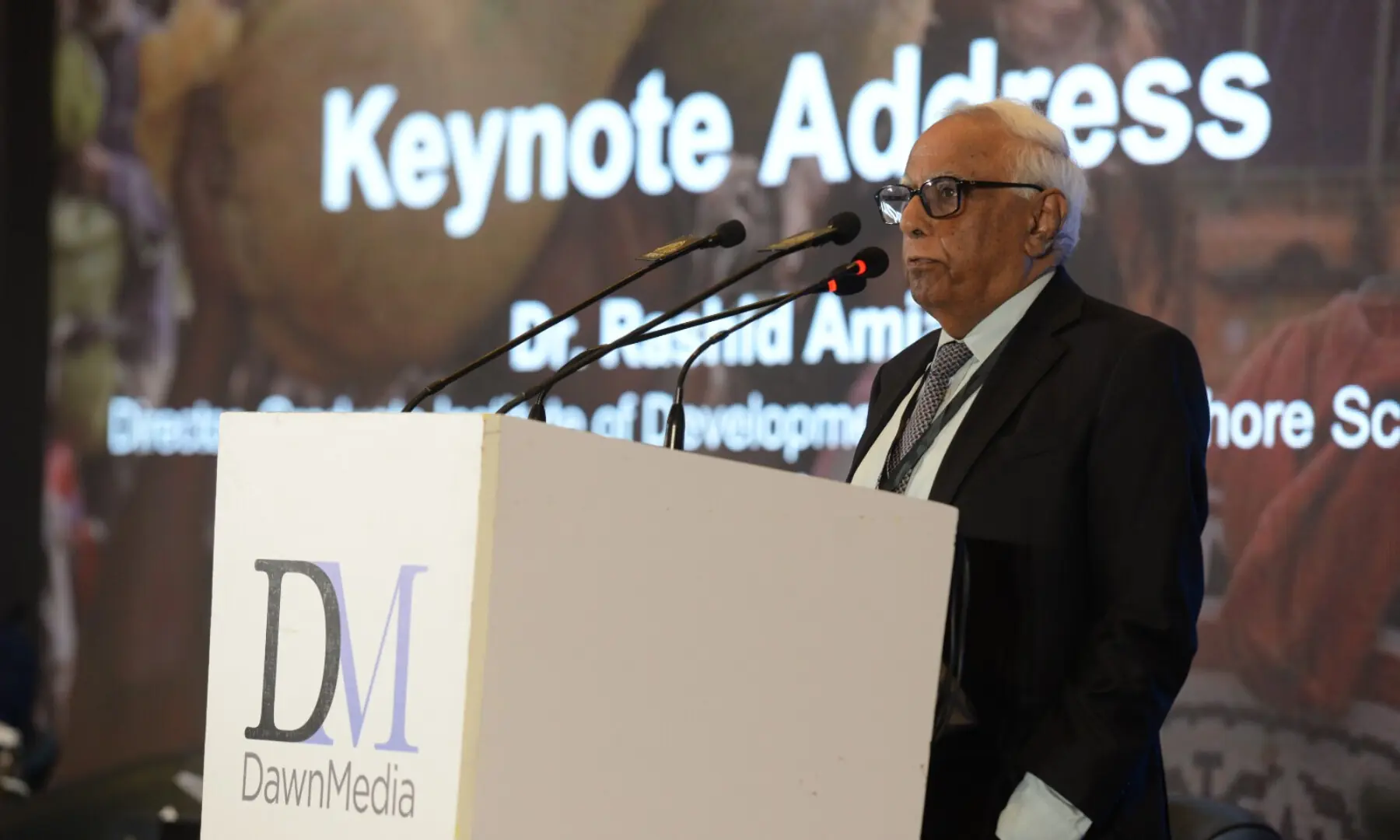
Dr Rashid Amjad described “demographic dividend” as a “window of opportunity which comes up when your working age population grows at a faster rate than your dependent population”.
“We did not receive the demographic dividend. We are in the phase of what I call the demographic disaster,” he said.
The Lahore School of Economics professor described the demographic disaster as a situation when you get a youth bulge and “there is an echo of this youth bulge in terms of increasing fertility”.
“So you get what we call double jeopardy.”
He emphasised the importance of having the “tailwind” of declining population growth alongside reforms, such as in the case of India.
3:15pm — Academic says exact census figures not known
Dr Rashid Amjad, director of Lahore School of Economics’ Graduate Institute of Development Studies, said the exact population figures were not known.
“Unless we get our numbers right, unless we allow our population census, allow other bodies to do their homework in the way they do it by adding numbers, we will not make any progress.”
3:09pm — Pakistan’s outreach campaigns ‘very modest’ compared to other Muslim countries: Dr Shabaneh
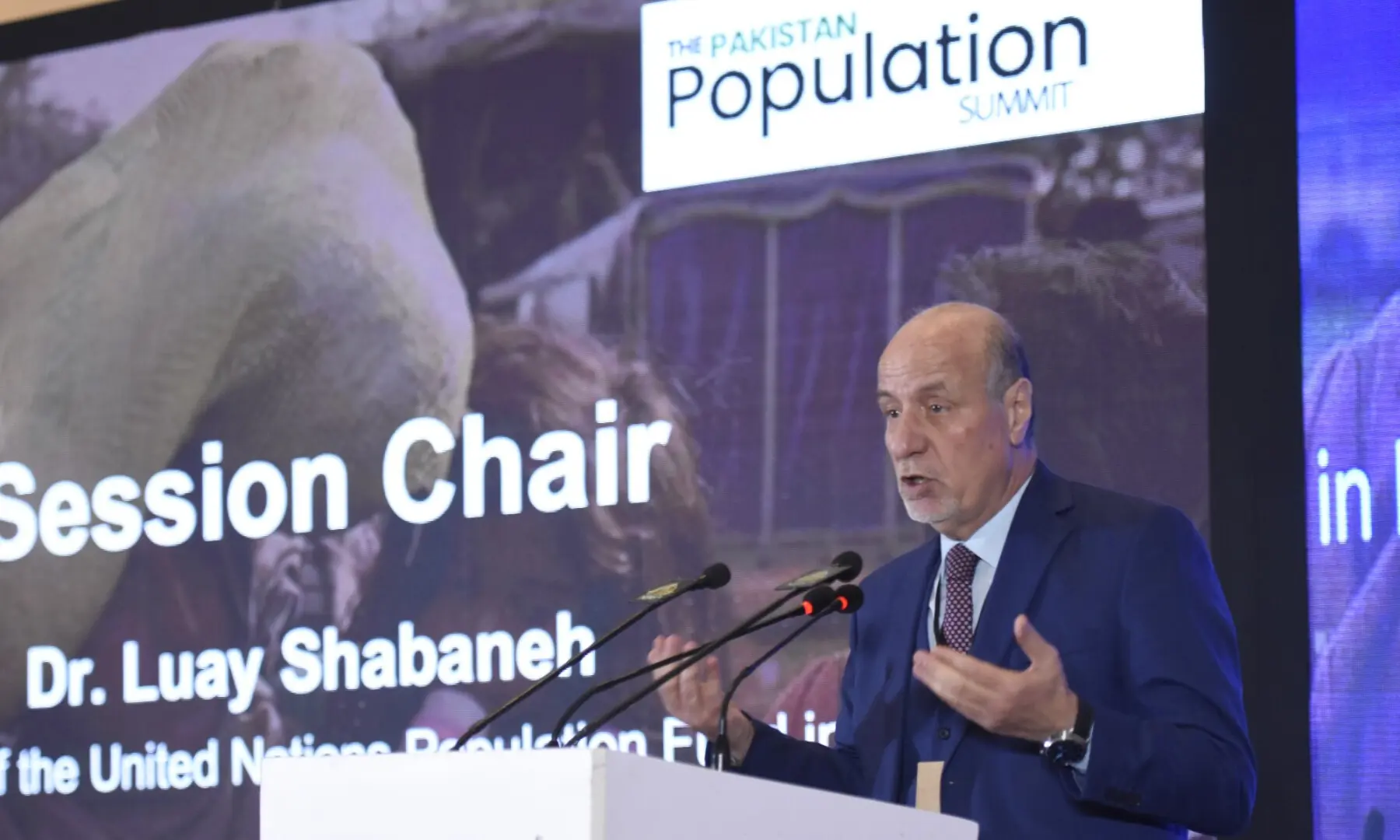
UNFPA’s Dr Shabaneh praised Iran’s primary healthcare system and Turkiye’s hospital accessibility.
“He further said that Egypt was doing a massive outreach campaign on media, compared to the “very modest” efforts regarding that in Pakistan.
3pm — UNFPA’s Dr Luay Shabaneh speaks as 5th session begins
Dr Luay Shabaneh, representative of the United Nations Population Fund (UNFPA) in Pakistan, is chairing today’s fifth session, titled “Regional Review of Population & Economic Growth”.
“We don’t have a vision [of] what Pakistan is trying to achieve on this agenda, apart from blaming people for being victims,” the UNFPA official said.
He stated that the number of people was not the entire issue, but the main challenges were the human capital and the outcomes of the health and education systems.
2:17pm — Short break
2: 12pm — Farooq Sattar sees something ‘seriously wrong’ with approach to conducting population census
MQM-P leader Farooq Sattar said that there was something “seriously wrong” about the approach taken to conducting the population census. He said that the last census held in 2023, due to enhanced monitoring, authorities were able to catch the “thieves snatching away a big chunk of Karachi’s population”.
He further said that Karachi’s population had risen from 32pc to 37pc of Sindh’s over the last 60 years.
He further said that while other speakers had highlighted the impact of unchecked demographic growth, very few had talked about the influx due to economic migration.
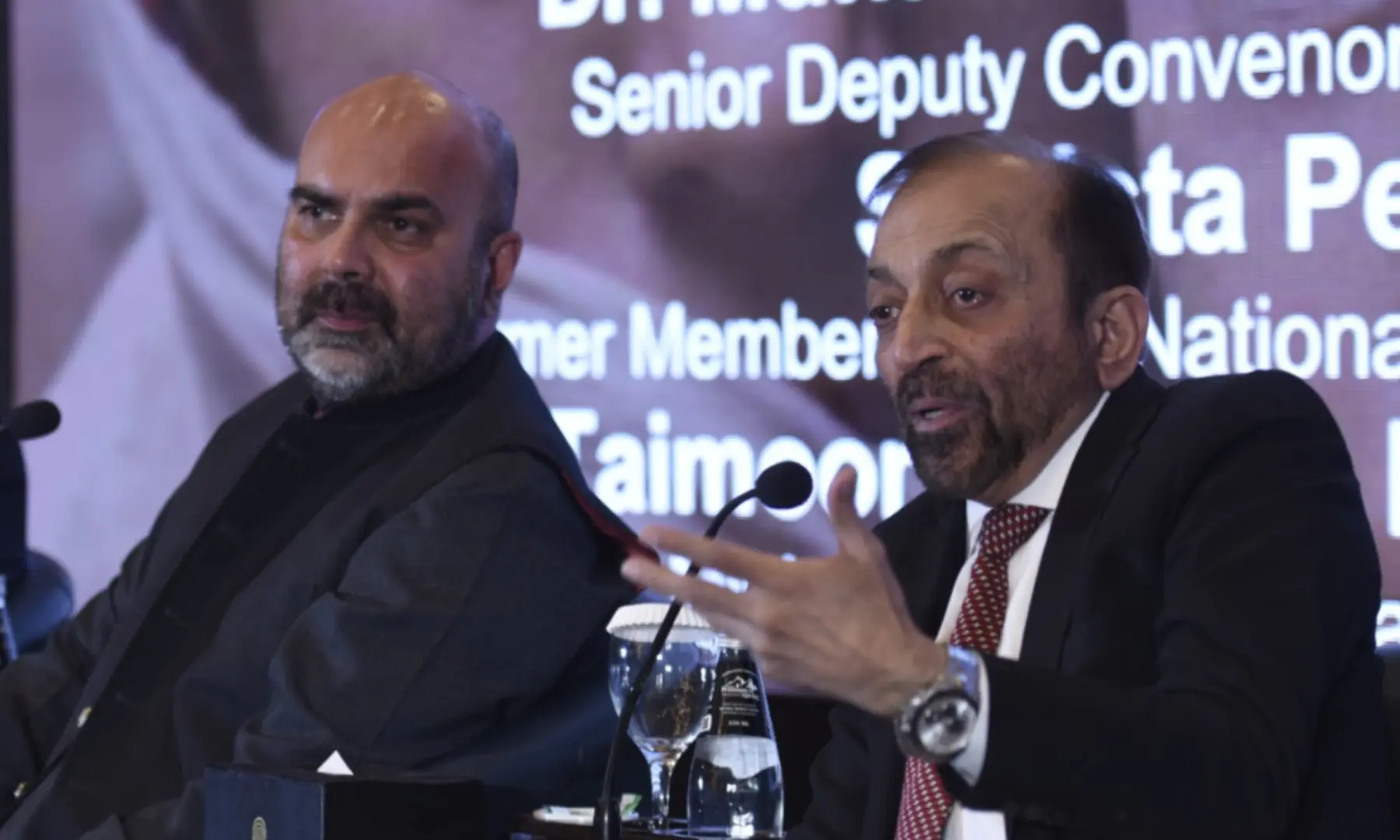
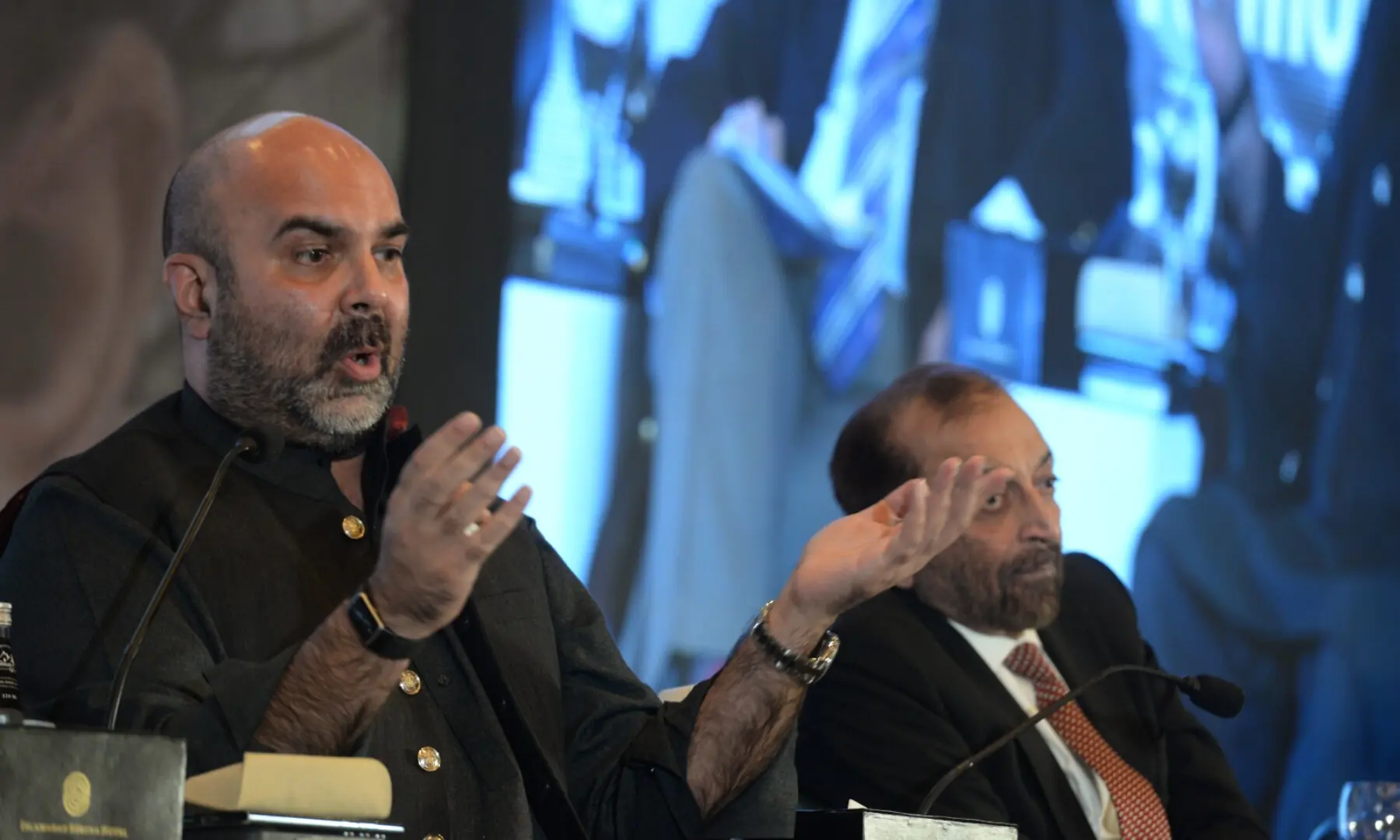
2:05pm — Jhagra calls for revising NFC to ‘fiscal equalisation’
Jhagra stressed the need for increasing the size of the NFC award, basing it on the principle of “fiscal equalisation”.
The former minister said: “Change the NFC, change it from population, but that does not necessarily mean that more backward provinces get less because if you look at any definition of an instrument, such as the NFC, its primary object is fiscal equalisation.”
He continued: “Sindh can generate revenue from the port, and Punjab can generate revenue because it’s the agricultural hub and breadbasket of Pakistan. Balochistan is a massive challenge, and in KP, the two competitive advantages that we have are trade with Afghanistan, which is now closed, and two, we can be the energy hub of the country.”
However, Jhagra lamented that KP remained isolated, saying “for us to develop our economy in the way we can, the state of Pakistan does not allow us and tells us it’s in the national interest”.
Citing India’s example of the NFC distribution, Jhagra said, “States in India that are the furthest behind in revenue generation get the greatest share because of this need for fiscal equalisation.”
1:58pm — PTI’s Taimur Jhagra calls for integrating family planning with health sector
Former KP minister Taimur Saleem Khan Jhagra called for the need to integrate family planning into the health sector.
Recalling his time as the provincial health minister, the PTI leader said, “I told my staff that every Basic Health Unit (BHU) and primary health care centre must, in its set key metrics, have family planning as one of them.”
The former minister stressed that “by bifurcating family planning from health, we have actually created this need to buy new land for new family planning centres, to recruit more staff when all the staff exists within the health set-up.”
Recalling a federal government’s family planning meeting, he said that “out of Rs10bn set up for family planning, we were told that Rs9bn would be spent on arranging land for the family planning centres”.
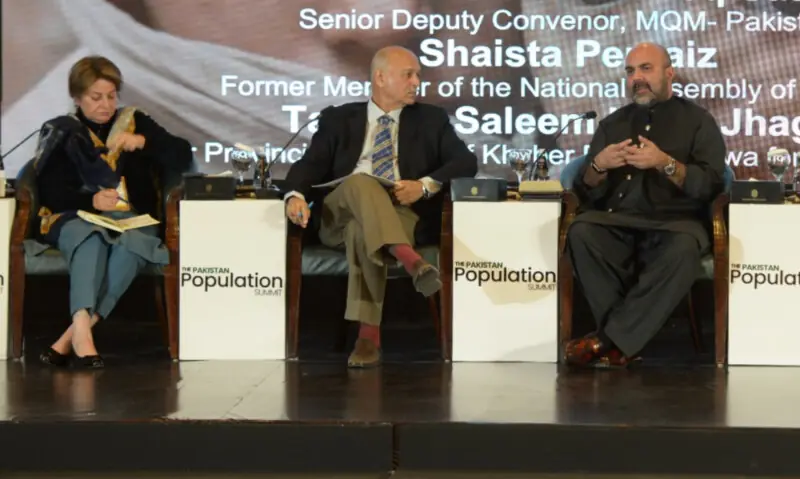
1:54pm — PM has taken up challenge to tackle massive population growth: MNA Shaista Pervaiz
Asked about the three actions that the current government led by her party should be doing to promote population as the paramount issue for Pakistan, PML-N MNA Shaista Pervaiz noted that Prime Minister Shehbaz Sharif has “recognised and taken up the challenge”.
“The priority should be [that it’s] taken at the national level, with chief ministers of the provinces taken into it together,” she said, noting that the lack of coordination between the Centre and the provinces was clearly evident.
The PML-N lawmaker emphasised the need to take the people along with what is decided at the top level. She added that the Centre and the provinces were working in silos, with each taking its own decisions.
“The [subject] of population needs to come under the federal umbrella,” Pervaiz added.
1:50pm — Pakistan being ‘Muslim country’ not an impediment to tackling population growth
Mushahid Hussain termed it a myth that Pakistan being a Muslim country was an impediment in tackling high population growth.
The senator pointed out that the Muslim-majority countries of Iran, Indonesia and Bangladesh were “success stories in population”.
“The government priorities are wrong,” PML-N’s Mushahid said, emphasising that funds were being allocated to other areas when much of it could be spent on education.
1:48pm — Lack of political will, lack of priorities are issues: ex-senator Mushahid Hussain
Former senator Mushahid highlighted that now, all major political parties had a focus on the subject of population.
He recalled that he also spoke to the military when he was the chairman of the Senate’s standing committee on defence.
“That time onwards, even the speeches of the military focused on population as a part of the narrative on Pakistan,” Mushahid said.
He pointed out that “lack of political will and lack of priorities” were the problems in tackling the issue.
1:45pm — Former senator Mushahid notes ‘politics of population’ in Pakistan
Mushahid Hussain noted that there was “politics of population” in Pakistan, with people saying that the population has been understated after every census.
He noted that constitutionally, the allocation of resources to the provinces was based largely on population.
The PPP senator recalled that he introduced a resolution in the Senate on population in 2020, which had the support of all parties. He also pointed out the launch of “Parliamentary Forum on Population”, calling it his brainchild.
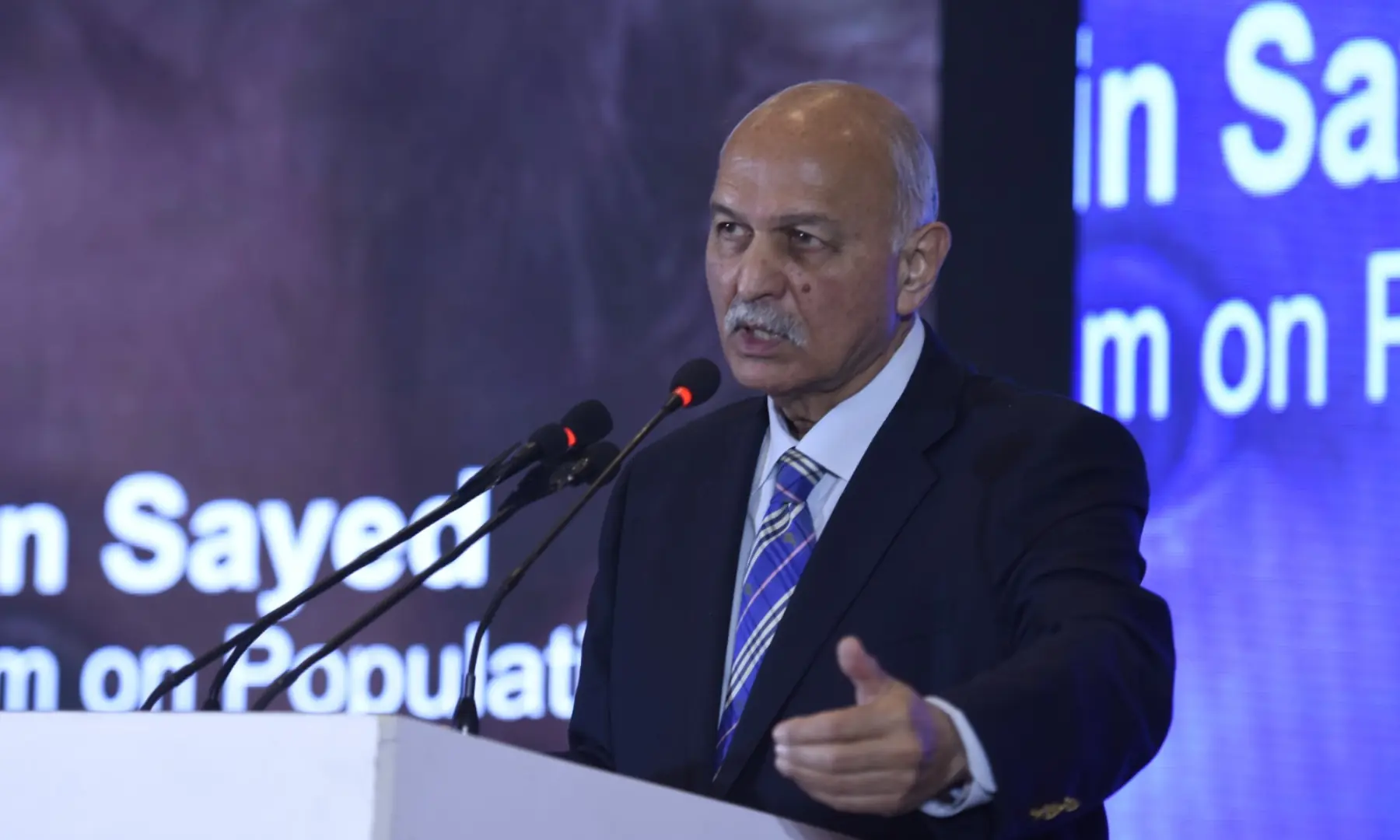
1:40pm — 4th session begins with lawmakers at stage
The day’s fourth session, titled “Translating Political Resolve into Action on the TAWAZUN Narrative”, has begun.
Former senator Mushahid Hussain Sayed is moderating the panel discussion.
1:28pm — World Bank official warns of ‘demographic liability’ if youth not provided with jobs, skills
The World Bank’s Pakistan director said reducing stunting and learning poverty were among the areas that would be focused on under the 10-year Country Partnership Framework.
Dr Bolormaa Amgaabazar noted that 60pc of Pakistan’s population was under 30, adding that there was a “potential” for demographic dividend, but it would remain unrealised until people were provided jobs and skills.
“Until then, it can turn into demographic liability,” she cautioned.
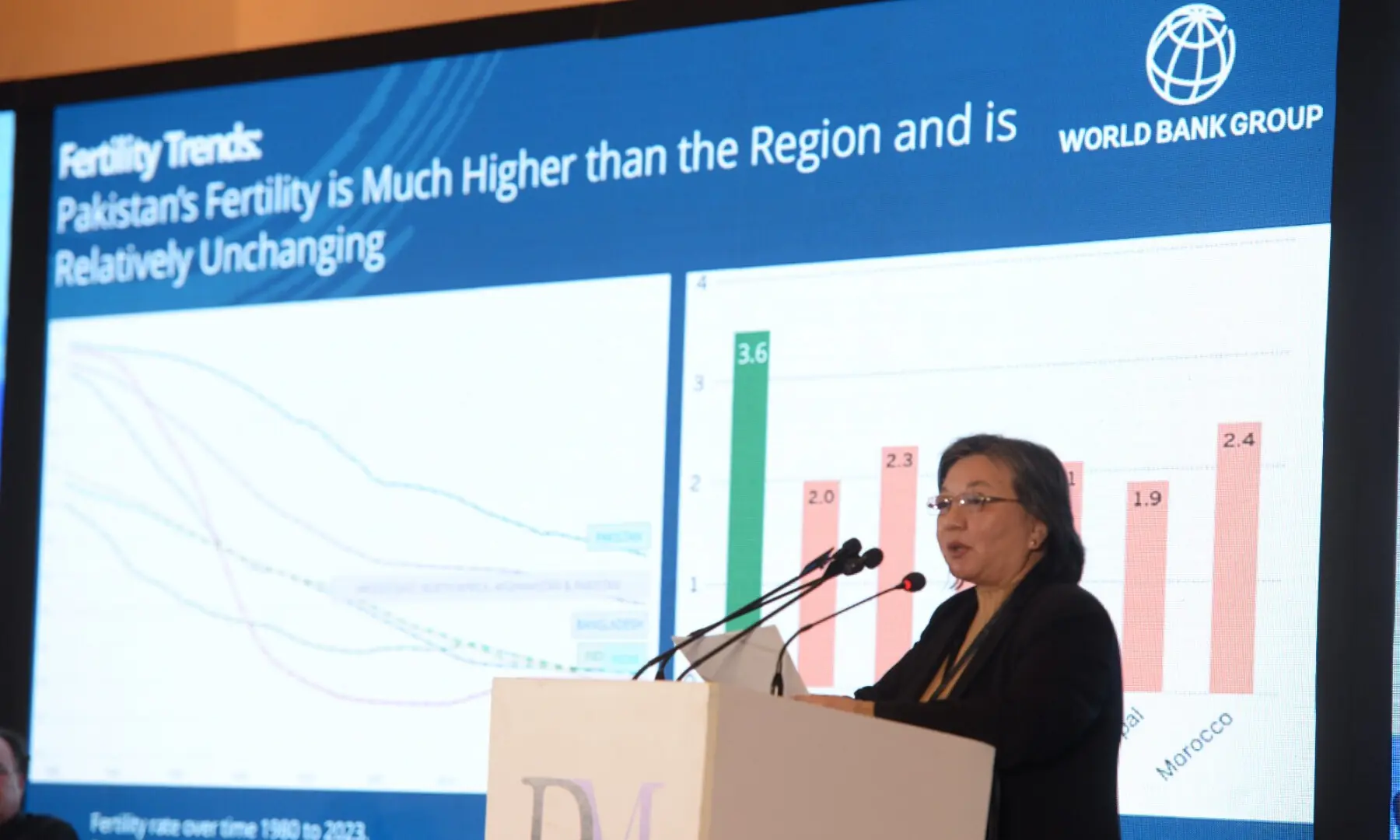
1:20pm — Population growth a ‘barrier to human and economic development’: World Bank official
Dr Bolormaa Amgaabazar, World Bank’s country director for Pakistan, observed that population growth was a “barrier to human and economic development”.
Citing World Bank figures, she said a woman in Pakistan had 3.6 children on average, adding that it was higher than the rest of South Asia.
While noting that there was a difference in these statistics, with the Bank’s being higher, Amgaabazar asserted that they depicted the same thing — Pakistan’s fertility rate was much higher than other neighbouring countries.
Echoing Sherry Rehman and Aurangzeb’s comments, she noted that rapid growth was linked to climate change, water scarcity and food security.
1:05pm — Dr S. Akbar Zaidi points out ‘extremely worrying’ trends in declining real wage, HDI
Dr S. Akbar Zaidi further noted that unemployment had been growing in the last five to seven years.
Citing economist Dr Hafeez Pasha’s data, he said the real wage of workers in Pakistan has seen a 20pc in just the last three years.
He also mentioned Pakistan’s declining ranking in the UN Human Development Index, terming the figures “extremely worrying trends”.
Speaking about human capital, Dr Zaidi said, “Today, we are half a century behind where South Korea is.”
In contrast to the finance minister’s remarks, Dr Zaidi said, “We can’t talk about a new economy, of IT, of computer growth with these sort of numbers.”
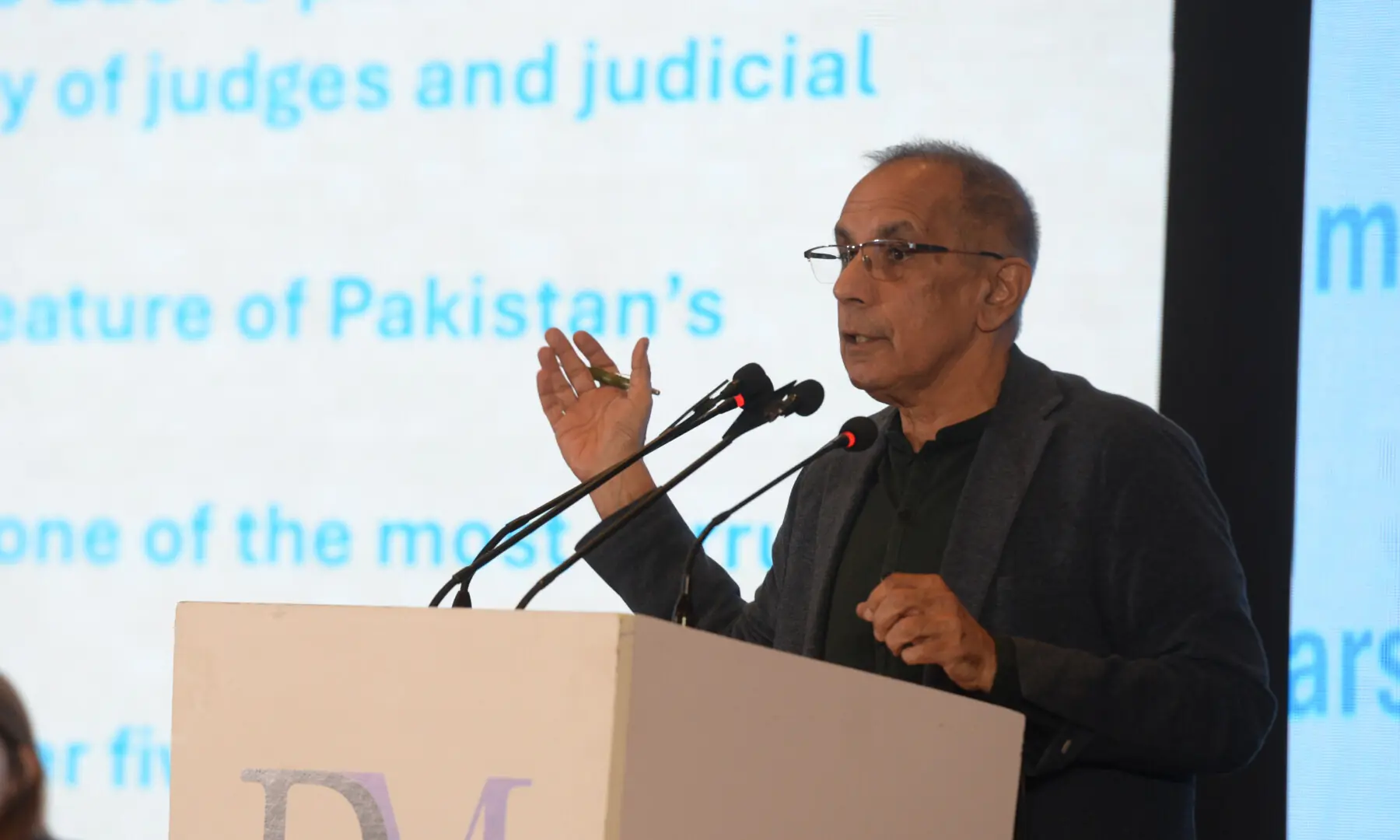
12:55pm — Pakistan’s economy in a very, very sharp decline: Dr S. Akbar Zaidi
“Pakistan is in decline. Pakistan’s economy is in a very, very sharp decline,” said IBA Executive Director Dr S. Akbar Zaidi at the outset of his comments.
“You talk to any economist and the many in this room and most will agree that all numbers are going in the wrong direction,” he added.
“It is irrefutable that Pakistan’s economy is not doing well, in relevant terms and in absolute terms, it is much worse than it has been over the last few years.”
Dr Zaidi said that Pakistan was estimated to be the third most populous country in the world in 25 years.
12:50pm — Lums VC Ali Cheema for ‘centring women’ in tackling population growth
Taking to the stage, Lahore University of Management Sciences’ Vice Chancellor Ali Cheema underscored the importance of centring women in solutions aimed at population growth.
“Both in terms of growth and fertility decline, if you do not centre women, you are not gonna get growth up, and you are not going to get fertility down,” Cheema said.
He further noted: “Don’t think about population as a separate service to be provided under the Public Sector Development Programme (PSDP), but [rather] we want to centre that (population) as part of growth, if you do not bring population down, you are not gonna get growth up.”
12:44pm — Youth leading IT economy, says Aurangzeb
Addressing the issue of the population dividend, the finance minister noted that the youth were “leading the IT economy” in the country and called for the need to get out of the “job mindset”.
“This is not about the government giving jobs, I think we have to get out of that mindset, it is the ladies and gentlemen who are freelancers today, leading our IT services, leading the IT economy.
“We need to upskill them, reskill them; that is how we are going to go forward with respect to this population dividend,” he detailed.
12:40pm — We must move to ‘implementation’, says Aurangzeb
Continuing his address, the finance minister noted that “we have known the what and why for the longest time” behind population growth.
Aurangzeb, who has repeatedly termed population growth as an “existential issue” for Pakistan, said, “There is no dearth of policy prescriptions.
“Everything has to do now with the […] execution and the how part of it.”
12:30pm — Aurangzeb stresses need to ‘recognise and negotiate’ population growth, climate change
The finance minister called for the need to “recognise and negotiate” population growth and climate change.
Speaking about Pakistan’s roadmap to a $3 trillion economy by 2047, Aurangzeb stressed that it was “clear that these two existential issues have to be recognised and negotiated if we are to realise our full potential”.
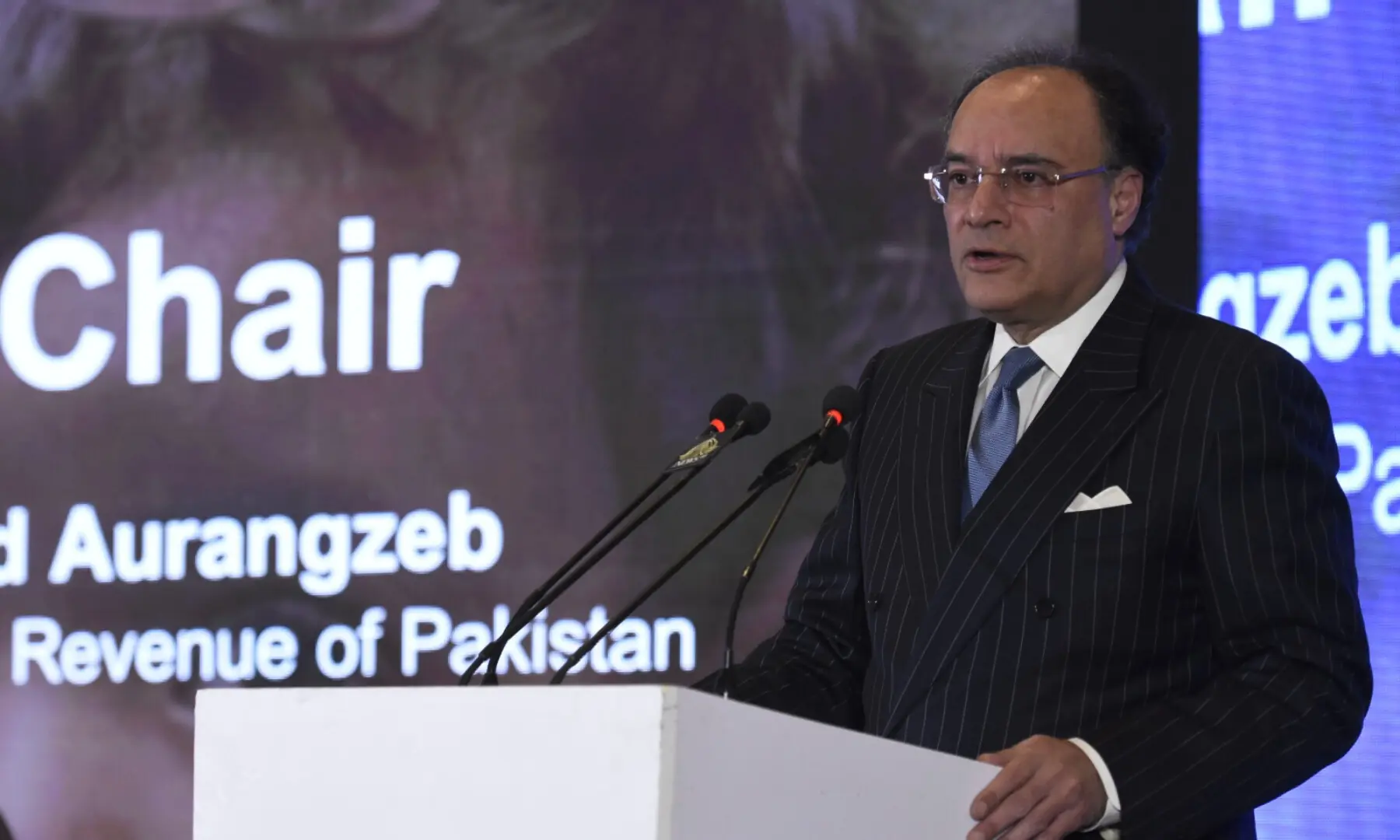
12:25pm — Third session begins with finance minister’s remarks
The third session of the day, titled ‘Accelerating Economic Growth Towards a More Optimal Balance’, has begun. Finance Minister Muhammad Aurangzeb is voicing his opinions on the issue.
12:10pm — ‘Pakistan’s capital-labour ratio much lower than India’
Dr Hanid Mukhtar further noted that because of the low investment, which was indirectly related to the population growth, Pakistan’s “capital-labour ratio is much much lower than India”.
He stressed that it was important because it was a factor that provided productivity to labourers.
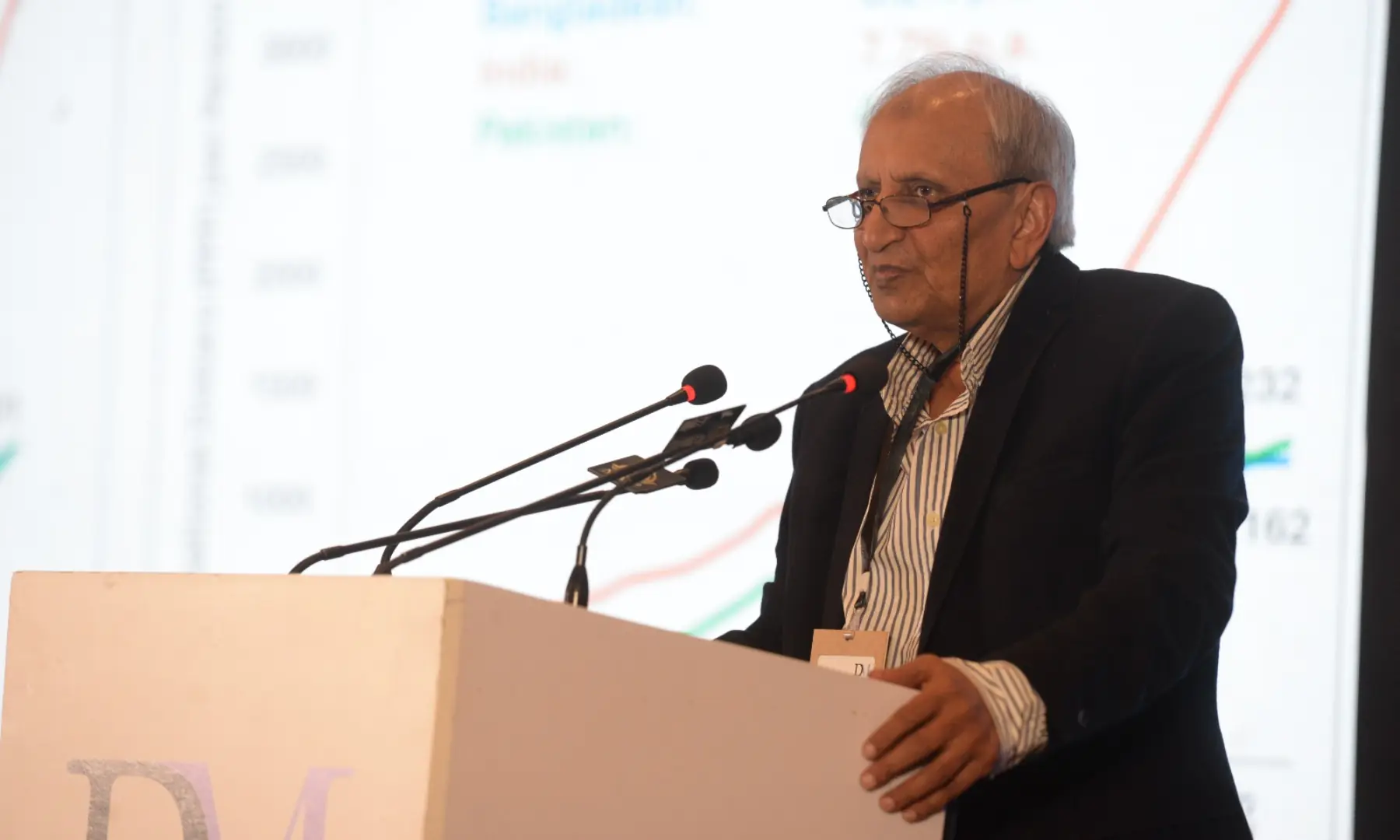
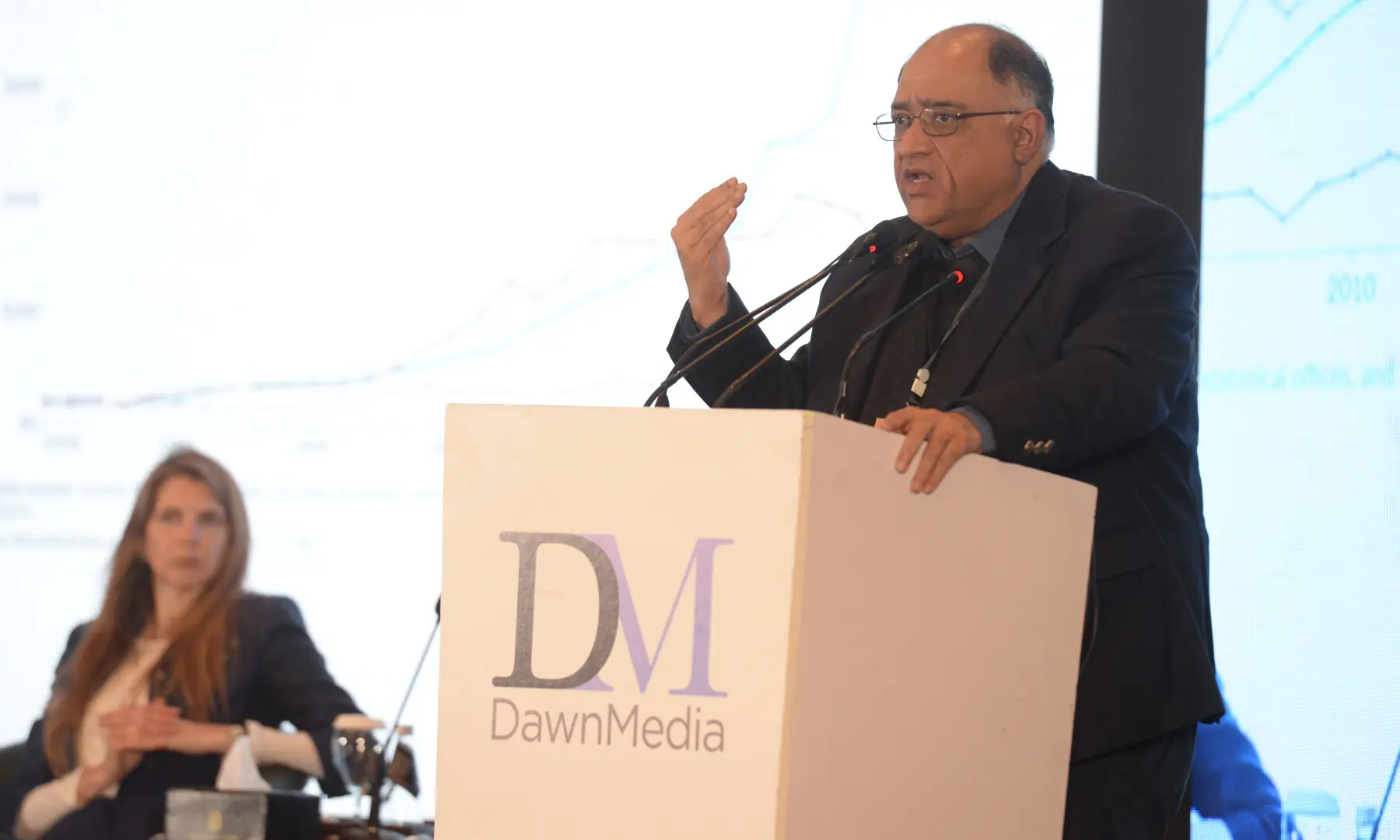
12:03pm — Dr Hanid Mukhtar highlights rising imbalance compared to rest of South Asia
Dr Hanid Mukhtar, a fellow at the Consortium for Development Policy Research, pointed out that Pakistan’s GDP per capita income had been growing at 3.6pc per year.
However, he then compared that the per capita income was 56pc higher than that of India in 1990 and almost double that of Bangladesh, but in 2024, India had 71pc higher GDP per capita than Pakistan and Bangladesh’s was 53pc higher.
Dr Mukhtar said that research had shown that the population impacted GDP growth.
He also spoke about expenditure, warning: “Even if we don’t see too much difference in public infrastructure quality and quantity between India and Pakistan today. Watch out; next five years, they are going to [leave all us behind] like anything.”
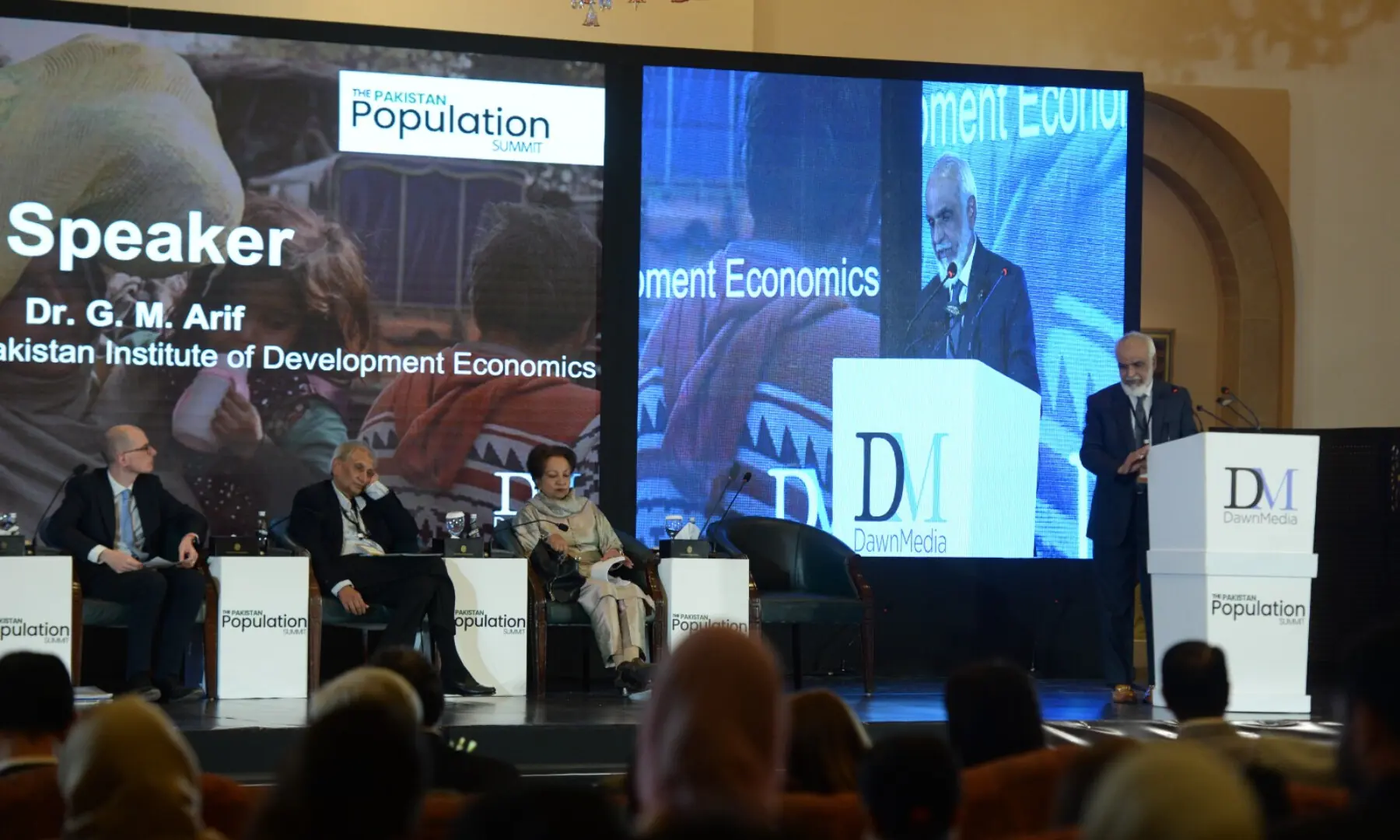
11:52am — 6m ‘unwanted pregnancies’ reported in Pakistan every year: Dr Sathar
Detailing the results of a research, Dr Sathar shared that out of a total of 12.7m pregnancies recorded in Pakistan, six million were “unwanted or untimed”.
“If we had strong family planning programs, we could remove or rather reduce, the unwanted pregnancies and focus on the other 6.7m instead, ensuring a better mortality rate,” she said.
“This is what women want, this is what families want,” Dr Sathar added, expressing confidence that Pakistani families would react positively to a good and well-funded family planning program.
11:50am — Dr Sathar sounds alarm on out-of-school children
On the number of out-of-school children, Dr Sathar termed it an “unacceptable figure”.
She said the figures were not huge because of parents not wanting to send their children to school, but it was a “failure” of the governments.
“I don’t want to point to any particular government; all the past few governments.”
11:40am — Dr Zeba Sathar calls for restoring balance to address population growth
Dr Zeba Sathar, the country director for Pakistan at Population Council, opened the second session, explaining the summit’s theme on “balance” in addressing population growth.
“We have centred our whole theme around balance because it is important to have a national narrative,” Sathar said.
“The balance really is about responsibility, the state’s responsibility; the balance has to be restored in terms of societal issues, the balance between resources, and the number of people in Pakistan,” she said.
Comparing Pakistan’s population growth with other countries in South Asia, she noted that “We are clearly out of balance in terms of where we are standing with our neighbours.”
“Our growth rate is double that of our neighbours,” she added.
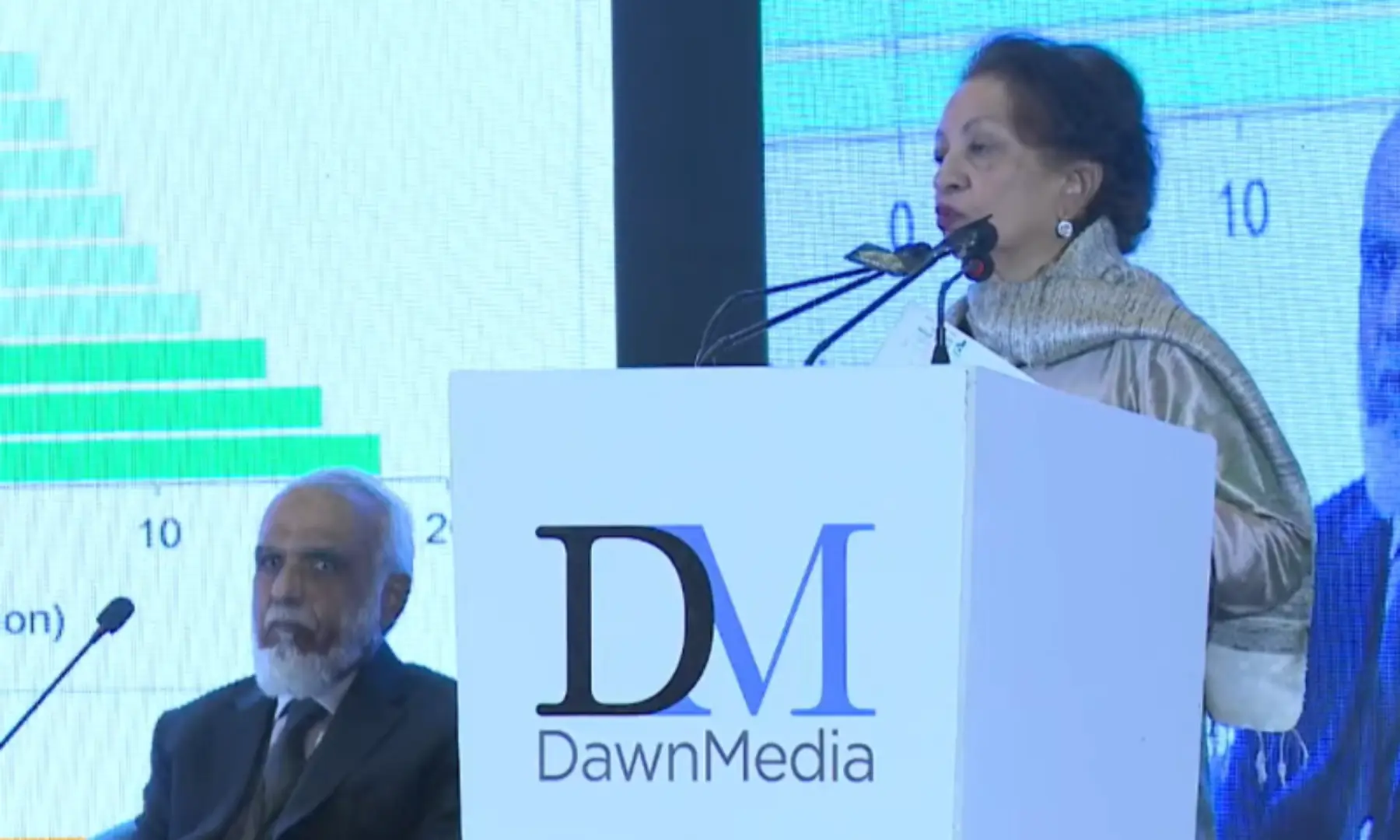
11:38am — Govt has placed ‘stunting, population management at highest national priority’
Speaking further, the planning minister highlighted that PM Shehbaz has placed “stunting and population management at the highest national priority”.
“The government is moving towards emergency multi-sector action integrating health, nutrition, education, social protection, water and local government systems,” Ahsan Iqbal said.
“It is not population size but population quality that drives national progress.”
The minister stressed that Pakistan’s priority must be fewer children but better outcomes for every child.
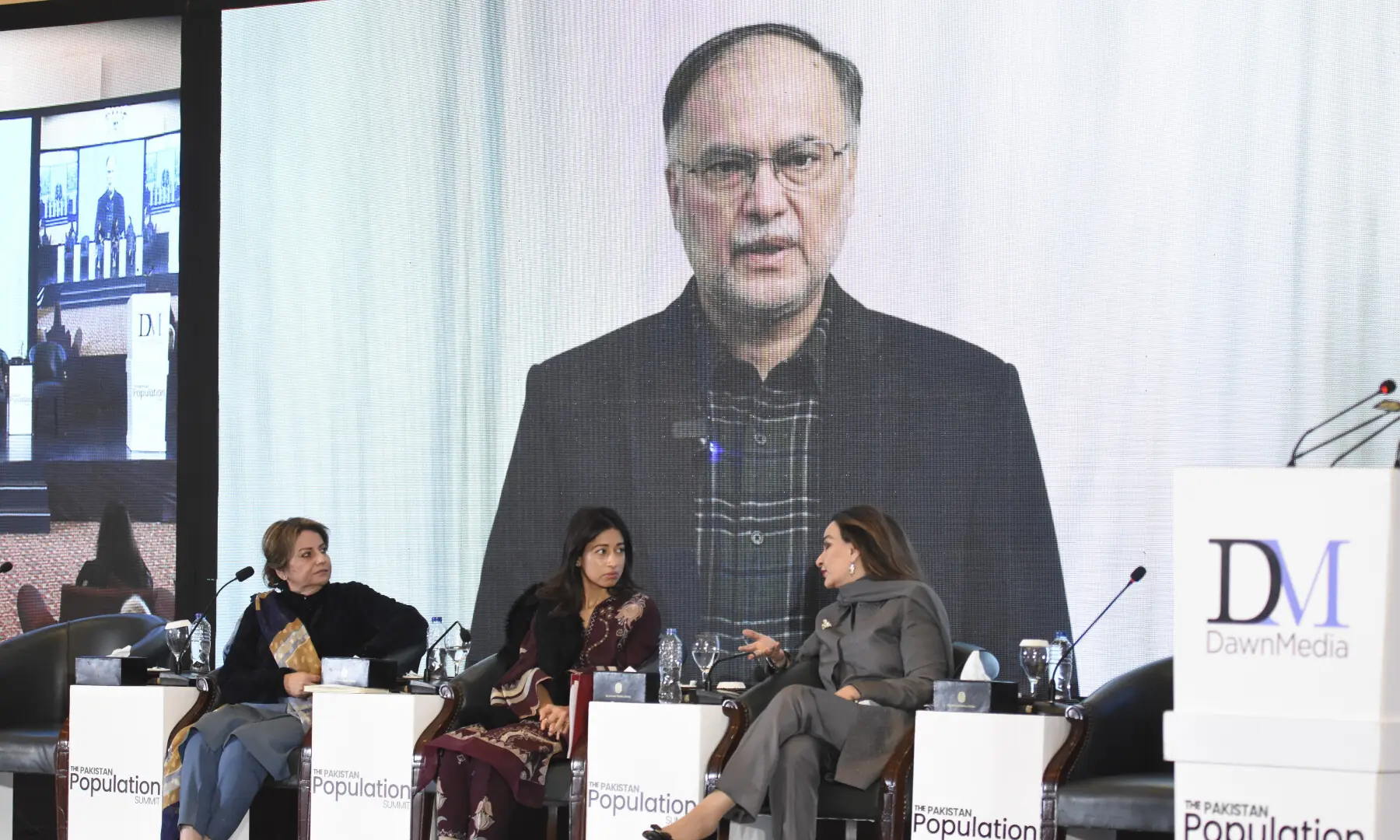
11:35am — Planning Minister Ahsan Iqbal highlights child stunting
Addressing the summit via video link, Planning Minister Ahsan Iqbal termed child stunting one of the most painful demographic challenges.
“Countries with high stunting lose 2-3pc of GDP annually. Due to no productivity and impaired human capital, a stunted child earns up to 22pc less over their lifetime,” Iqbal said.
He added, “This is not a health issue alone. It is a national productivity crisis, a national development emergency, and a direct threat to Pakistan’s long-term economic strength and sustainability.”
“I commend DawnMedia group, the Population Council and all our development partners for convening a dialogue on an issue that will shape Pakistan’s destiny more than any other.”
Citing the estimated figure of 370m by 2050, Iqbal termed population growth a “defining challenge for our future stability, prosperity and competitiveness”.
“Every single year, Pakistan adds almost the entire population of New Zealand, around 4-4.5m people,” the minister noted.
11:30am — No more a demographic issue: Shaista Pervaiz
MNA Shaista Pervaiz began her address by commending the participants, lauding their “collective resolve to address population challenges”.
She stressed that “population growth is no more a demographic issue”.
She continued: “It is linked with our economy, it is linked with the well-being of our people, linked with the future of our children, linked with everything a country is judged by.”
Pervaiz noted that while there was “political will” present to address the issue, it was time that it should be “turned into action”.
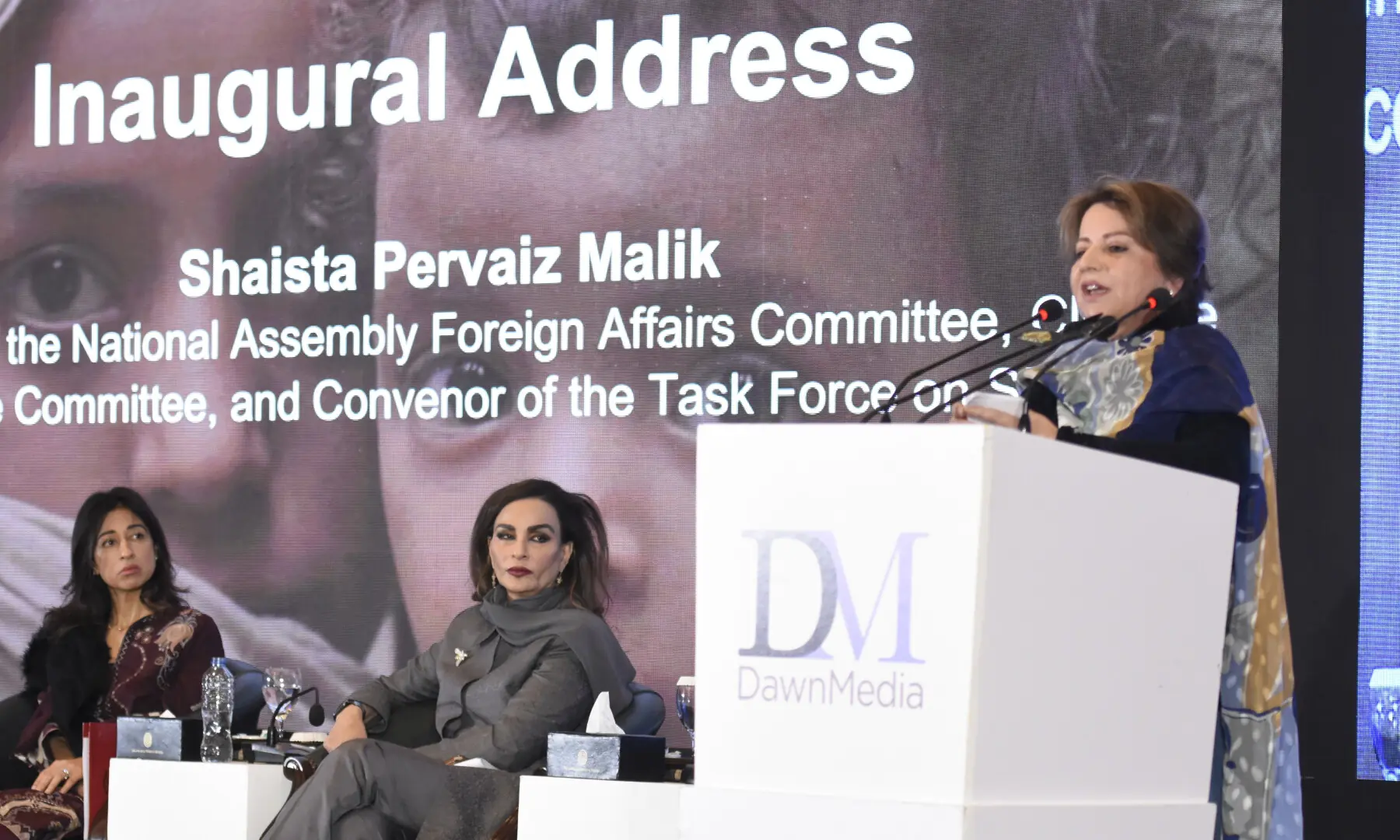
11:26am — ‘No new ministry needed; have information ministry do awareness drive’
Providing suggestios on how to tackle the issue, Sherry Rehman said the federal government should have the information minister hold an awareness drive in the national language on population and family planning.
“It doesn’t need to worry about having a population ministry. Please don’t have ministries. Please don’t,” the senator said.
“Start putting this on phones, on Androids, on anything. And you will have yourself a campaign that goes into your doors.”
11:14am — There is demand for the ‘C-word, for contraception’: Sherry Rehman
Sherry Rehman stressed, “There is demand for the C-word, for contraception. Contraception prevalence rate (CPR) is what you need to talk about.”
Noting that the CPR was 34pc, she emphasised that contraceptive usage would lower the birth rate and said there was a need for it to be easily and cheaply accessible.
“One province is offering vasectomies to men who are willing to take it up,” she remarked.
“Every 50 minutes, before we finish this session, a woman in Pakistan will die due to pregnancy or childbirth complications.”
The senator noted the Council of Islamic Ideology’s ruling allowing birth spacing and said the hesitation was not a religious matter, but rather a cultural taboo.
Noting the high unemployment rate, Rehman said it raised “discontent in the state’s ability to provide a climate where employment is easily available”.
11:05am — ‘72pc of a woman’s day spent carrying water’
Sherry Rehman also pointed out the excessive water consumption, calling for the need to reduce it. She termed large-storage dams “a thing of the past”, noting the lack of financing for them and the displacement caused by them.
“Seventy-two per cent, three quarters, of the average woman’s day in Pakistan is taken up carrying water. Shocking, isn’t it?” the senator highlighted.
“Food, climate and poverty are all impacted,” Rehman, also the chairperson of the Parliamentary Forum on Population, said.
“Forty per cent of children under five are stunted,” she added, noting that mothers were also not able to make the health choices that they need to, including birth spaces.
11:03am — Population numbers amplify climate shocks: Sherry Rehman
Speaking about the intersection of climate change and population growth, Senator Rehman said, “With our economic growth dragged down by climate shocks and institutional fragility — let’s not pretend that is not the case —we are not able to lift millions out of the poverty I just spoke about.”
She detailed that if the GDP was already being impacted by multiple factors, such as the recent floods, “population numbers stretch those numbers further”.
“There are simply more people to save, more people to shelter, more people to feed, house, clothe, and save from diseases.”
11:00am — ‘Population growth has passed some kind of danger line’
Referring to Nazafreen’s comments on Pakistan’s “youth bulge”, Senator Sherry Rehman said, “Pakistan talks about this demographic dividend non-stop, but at which point does this dividend become a challenge?
“When you are not able to provide jobs for the 1.5m jobs needed per year,” she said, stressing that “it was a huge number”.
“Population growth, in my view, and I am sure everyone agrees, has passed some kind of danger line,” Rehman cautioned.
“Of course, we love people, we love our births, and we mourn our deaths, but what goes round here is the pressure on our resources,” the senator explained.
10:55am — Sherry Rehman terms population growth a ‘ticking time bomb’ for Pakistan
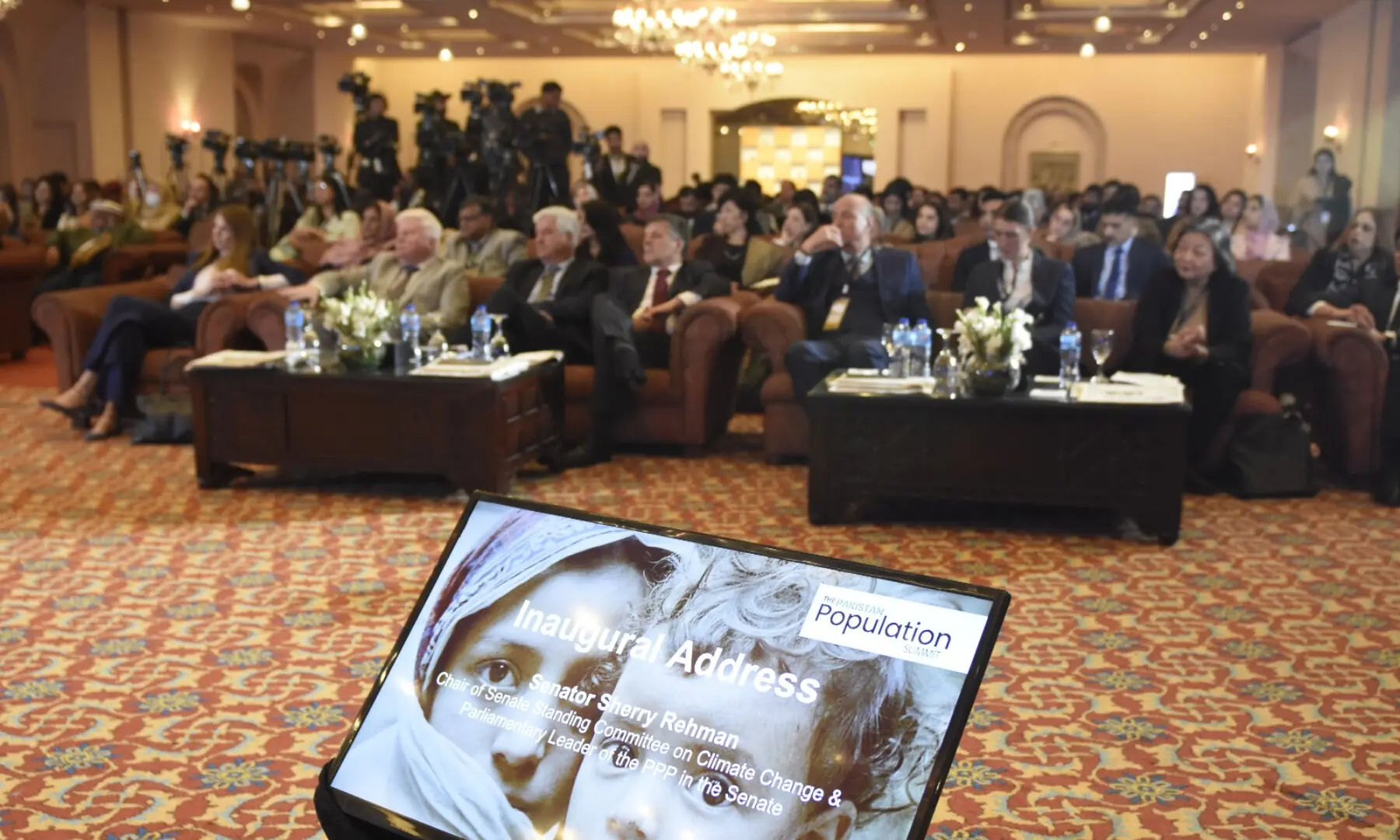
In a keynote address, Senator Sherry Rehman recalled: “Seven years ago, I wrote about three ticking time bombs for Pakistan — unchecked population growth was one of them, water scarcity, and of course, climate stress.”
“In my view, they are no longer ticking; they have noiselessly exploded around us,” the minister warned.
“They have already done the damage they needed to do,” she said.
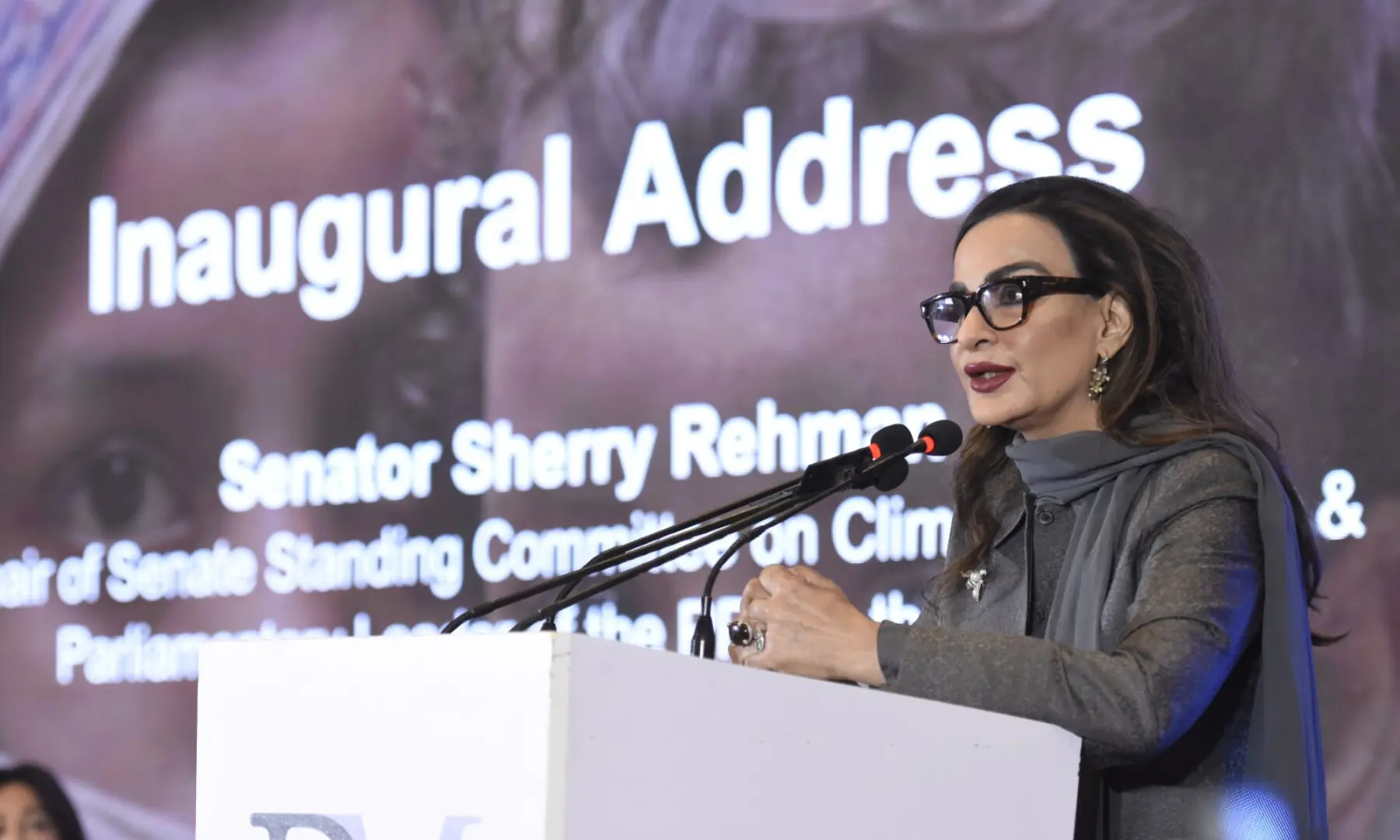
10:45am — ‘Let’s work together to defuse population time bomb, turn it into Pakistan’s greatest dividend’
Nazafreen Saigol-Lakhani said the provision of education up to at least Grade 12 and upskilling the youth through vocational training would not only strengthen Pakistan’s GDP but also position “our human capital to support other economies facing a population explosion”.
“This young skilled workforce has the potential to transform Pakistan’s destiny, to build real economic strength and to elevate our standing on the global stage.
“The decisions we take today on health, education, gender, equity and economic development are investments in Pakistan’s future,” she highlighted.
“We will bring you ideas, detailed reporting, expert analysis and focused storytelling, so that the conversations here reach people across the country and help shape a more informed national debate,” she added.
“Let us work together to defuse this population time bomb and turn it into Pakistan’s greatest dividend,” she said.
10:42am — ‘Rapid growth slows our ability to improve living standards’
Nazafreen Saigol-Lakhani noted that “without careful planning, rapid growth weakens per capita income and slows our ability to improve living standards”.
“Globally, the contrast is stark,” she said, pointing out that many Asian countries had slowed population growth through education, women’s empowerment and access to health services.
“Pakistan’s fast growth without parallel investment in human development makes it harder to deliver basic services and harder for families to move out of poverty.”
The Dawn CEO, however, said there was an opportunity for Pakistan, which was at a crossroads with a “large and growing population, a sizeable youth cohort and rapidly evolving socio-economic realities”.
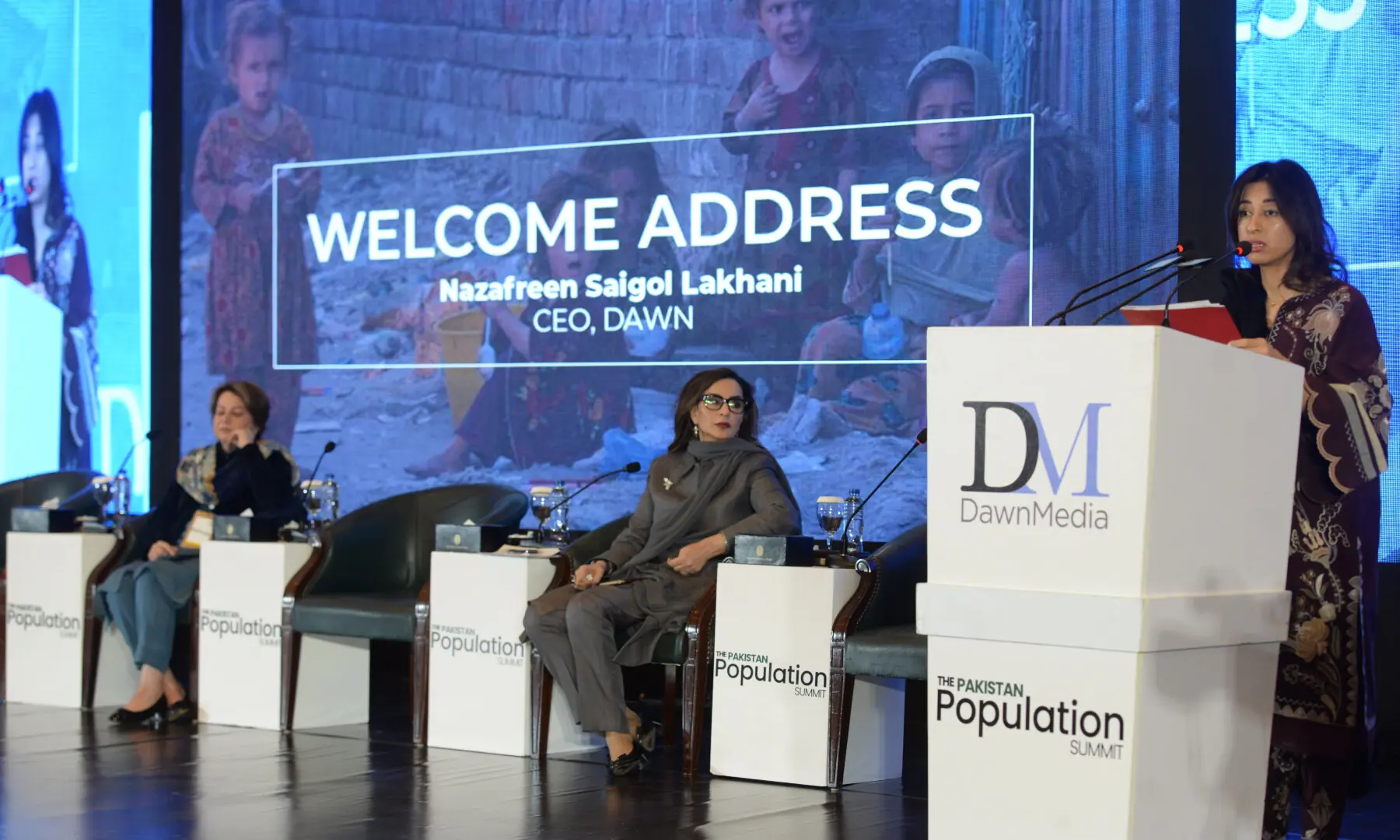
10:38am — Dawn CEO Nazafreen highlights Pakistan has ‘young’ population
Inaugurating the moot, Nazafreen Saigol-Lakhani, the CEO of Dawn, highlighted that Pakistan had a mostly young population, with the “median age of just over 20 years”.
Stating some estimates about the expected population in the coming years, she said the rapid growth directly affects the lives of people and the country’s future.
The Dawn CEO said: “It places immense pressure on our health care system, especially maternal and child health. It stretches our education system, leaving millions of children without access to quality learning. It increases the demand for jobs, housing, clean water, sanitation, transport and for energy.
10:40am — Conference begins
The conference has begun, with the national anthem being played, followed by the recitation of the Holy Quran.
Senator Sherry Rehman and Dawn CEO Nazafreen Saigol-Lakhani are present at the stage as the national anthem is played.
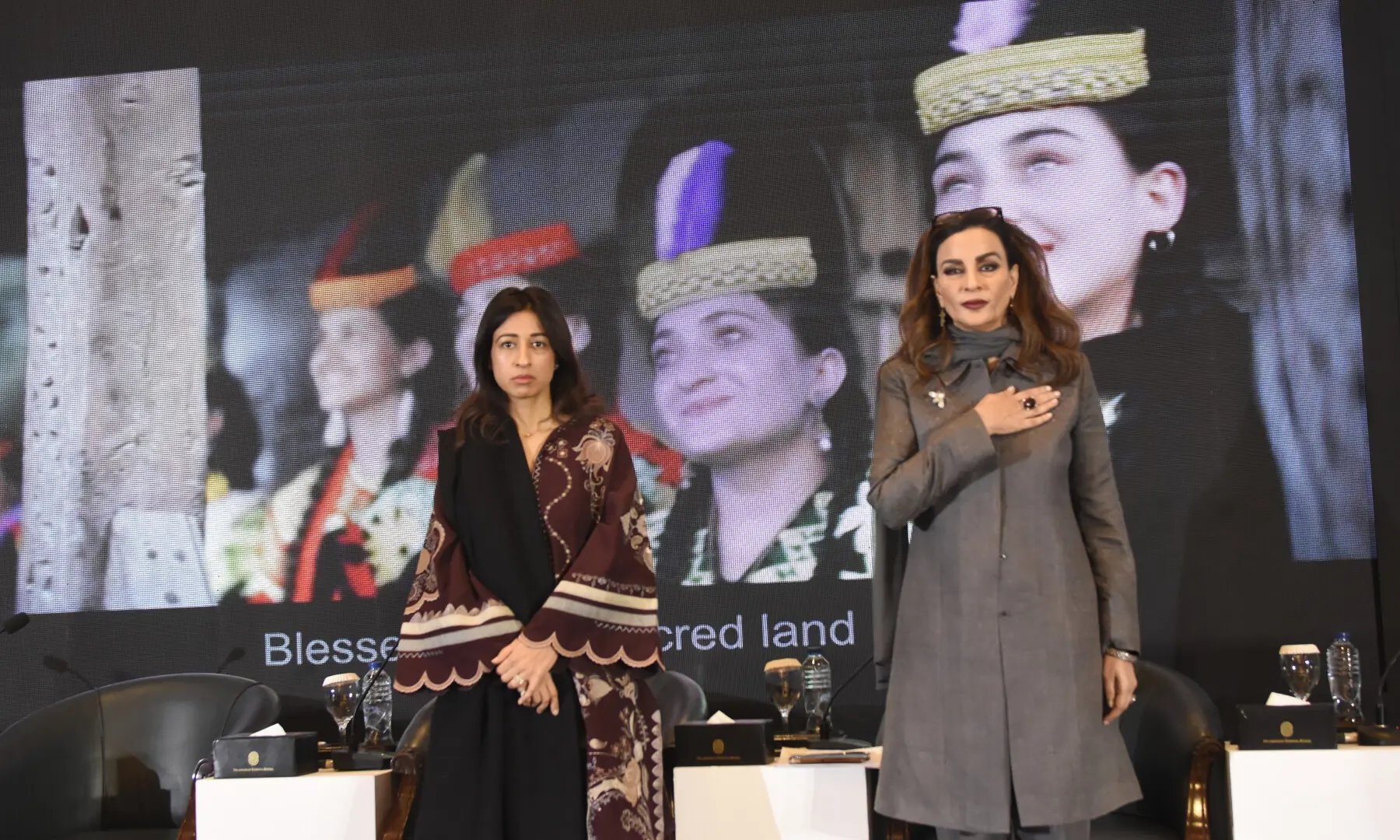
10:25am — Guests are seated ahead of moot
With the summit set to begin shortly, guests are seated at the venue as they look forward to a day of constructive discussions.
Header image: Dr Zeba Sathar gives a presentation on Day 1 of the Pakistan Population Summit, in Islamabad on Dec 1, 2025. — Tanveer Shahzad/White Star
Dawn – Homenone@none.com (News Desk)Read More