

• PM meets Iranian ambassador, hopes both sides will ink peace deal for permanent end to conflict
• Dar speaks to Turkish counterpart, meets UK envoy; says dialogue only viable path
• Insiders say efforts in full swing to bring both sides to table, extension created space for diplomacy
ISLAMABAD: Pakistan on Wednesday kept its focus on sustaining the diplomatic track after facilitating a unilateral extension of the ceasefire between Iran and the US, as indications emerged that a second round of talks could take place within the next few days.
Diplomats told Dawn that intermediaries were working to reconvene the two sides, with a tentative window of “two or three days” being discussed, even as formal confirmation from Tehran remained pending.
The sense of movement was reinforced by logistical signals in the capital, where major hotels informally conveyed to clients that they could not accept reservations until April 25, pointing to the need to maintain readiness for high-level engagements.
The extension of the ceasefire created what officials described as a “controlled pause” rather than a resolution, with core disputes over the US naval blockade and Iran’s negotiating conditions still unresolved.
Pakistani officials framed the development as creating space for diplomacy rather than a setback, dispelling any perception of a collapse, even as Iran showed reluctance to turn up for the second round.
Prime Minister Shehbaz Sharif, who has been closely involved in the process, expressed optimism about the way forward.
“I sincerely hope that both sides will continue to observe the ceasefire and be able to conclude a comprehensive ‘Peace Deal’ during the second round of talks scheduled in Islamabad for a permanent end to the conflict,” he said, while welcoming the truce extension.
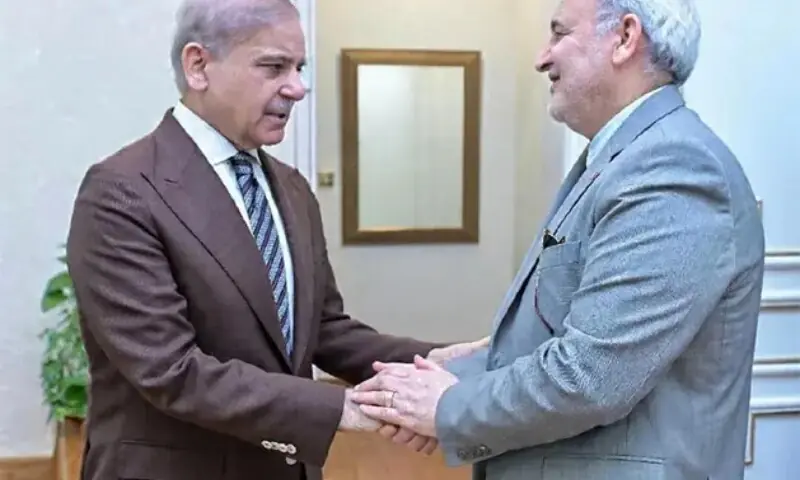
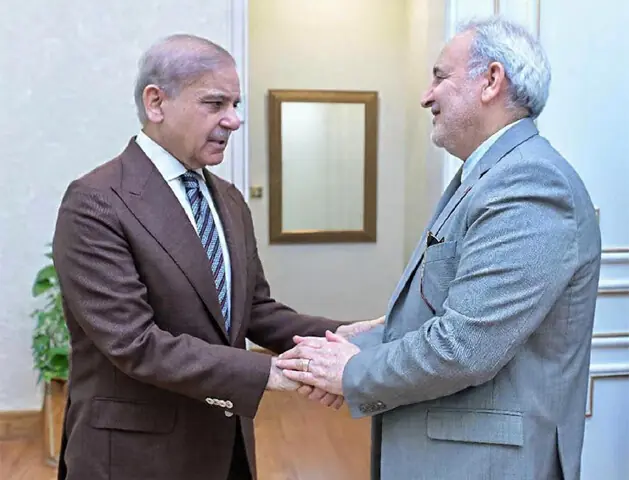
A meeting between PM Shehbaz and Iranian Ambassador Reza Amiri Moghaddam, reported on Wednesday, added to speculation about Tehran’s position on the next round.
However, diplomatic sources clarified that the interaction had taken place a day earlier, before the ceasefire extension, and was part of ongoing consultations rather than a formal response.
The PM Office said the envoy “called on Prime Minister Muhammad Shehbaz Sharif on 22.4.2026 to discuss the ongoing regional situation and peace efforts.”
On the Iranian side, the messaging remained cautious and security-focused.
Even so, the absence of outright rejection had been read by diplomats as keeping the channel open, with Pakistan continuing to engage Tehran at multiple levels to secure participation in the next round.
Dar speaks to Turkish counterpart
Meanwhile, Foreign Minister Ishaq Dar maintained an active diplomatic outreach, reinforcing Islamabad’s position that dialogue remained the only viable path. In a call with Turkish Foreign Minister Hakan Fidan, both sides “reaffirmed the importance of dialogue and diplomacy in peaceful settlement of disputes”, according to the Foreign Office.
Dar also met British High Commissioner Jane Marriott, where he “underscored Pakistan’s ongoing efforts to facilitate engagement and emphasised the importance of dialogue and diplomacy”, while the UK “appreciated and supported Pakistan’s facilitative role in bringing the US and Iran to the negotiating table”.
These engagements formed part of a broader effort by Islamabad to sustain international backing for the process and to distribute ownership of the fragile diplomatic track.
Pakistan has been maintaining simultaneous engagement with both sides, projecting neutrality while addressing Iranian concerns about ‘pressure-based diplomacy’ and encouraging flexibility in Washington.
The emphasis, officials said, was on preserving the ceasefire first and creating conditions for substantive negotiations later.
Despite the guarded optimism, risks remained pronounced.
The underlying disagreements over sanctions, the blockade and nuclear commitments had not shifted, and the extended pause had yet to produce convergence on sequencing or guarantees.
For now, the ceasefire extension has bought time. According to diplomats, the next 48 to 72 hours will be critical in determining whether the process moves toward a second round or settles into a prolonged holding pattern.
Published in Dawn, April 23rd, 2026
Dawn – Homenone@none.com (Baqir Sajjad Syed)Read More